
Shaina Feinberg on how to create your own big break
If you’re a New York Times reader, you might know “Scratch,” the column about money and the people who deal with it, by Shaina Feinberg and illustrator Julia Rothman. The column is equal parts fanzine, “investigative” journalism, and raw, real, and often hilarious glimpses of topics that you probably can’t find anywhere else.
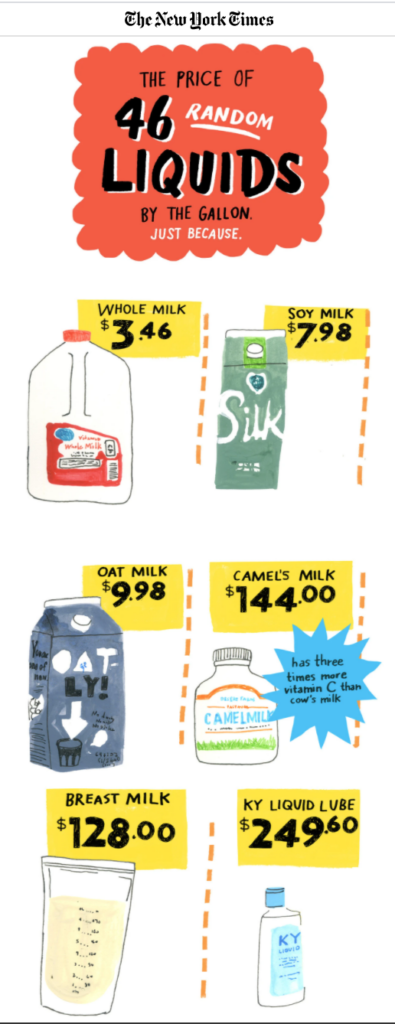
“Scratch” topics range from speed-dating during the pandemic to the tricky business of moving giraffes to “the price of 46 random liquids by the gallon — just because.” In Feinberg’s New York, everything and everyone has a story that should probably be told.
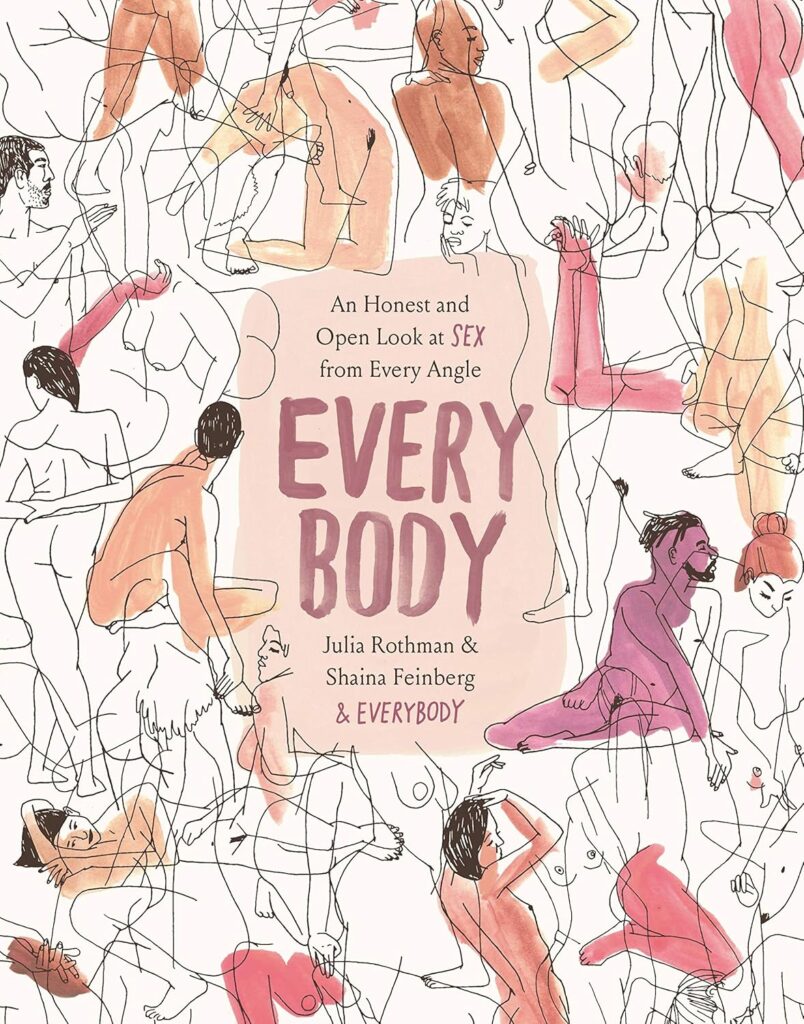
As individuals and as a creative dream team, Feinberg and Rothman don’t show signs of slowing down anytime soon. In addition to “Scratch,” they recently created a book with a similar vibe: Every Body: An Honest and Open Look at Sex from Every Angle. Every Body is a curiously curated collection of awkward, heartfelt, and humorous stories, artwork, and expert tell-alls about bodies and sex — because, why not? The book is the result of the fearless Feinberg asking New Yorkers questions like “When did you lose your virginity?” “What fetish do you want to try?” and “Got a sex story? Tell us about it.”
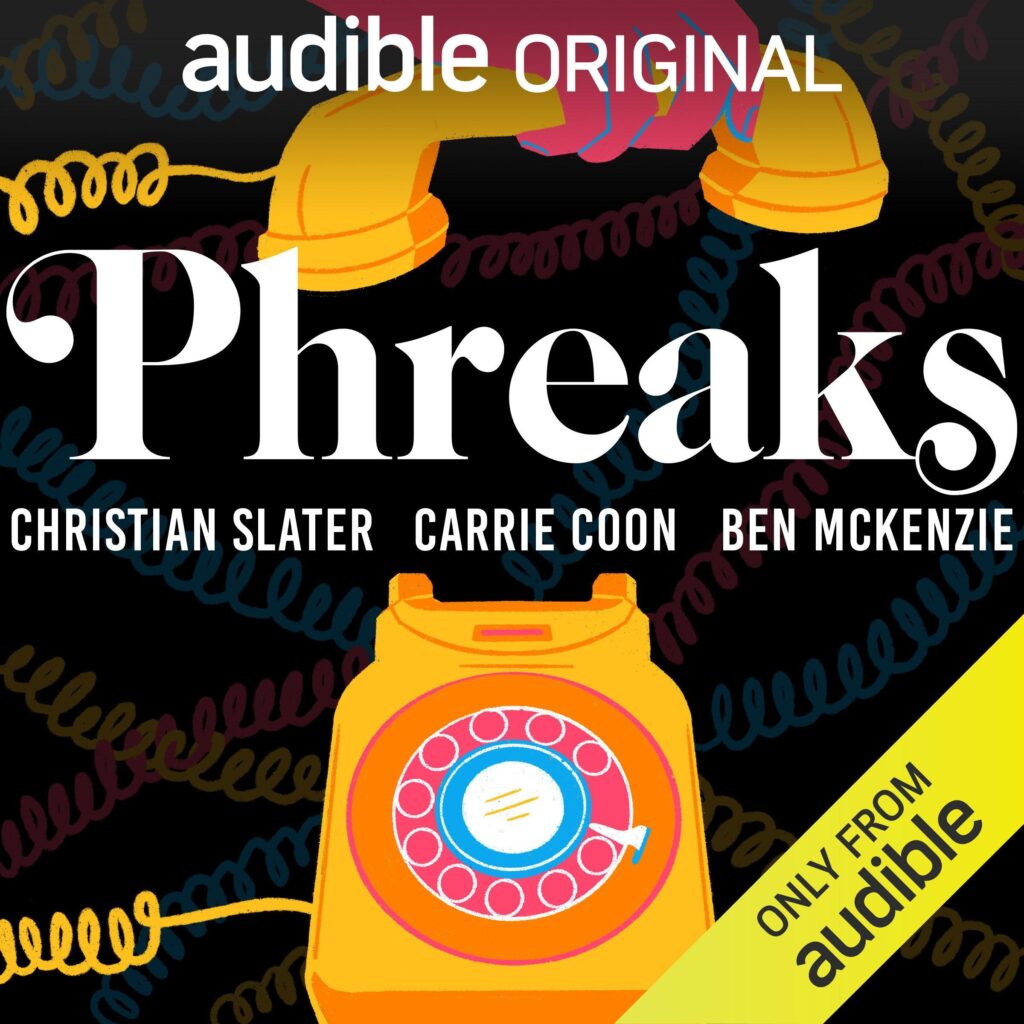
But “Scratch” and Every Body merely scratch the surface of Feinberg’s talents and ever-expanding body of work. A born-and raised New Yorker, she’s also written for major publications, done stints on This American Life, and is a self-made prolific filmmaker and writer-director. In recent years, she’s directed two original audio series for Audible — Aliens of Extraordinary Ability, which she co-wrote with the Irish comedian Maeve Higgins, and Phreaks, starring Christian Slater, Carrie Coon, Justice Smith, and Ben McKenzie.
“It was pretty surreal,” Feinberg says of directing Phreaks. “Film, though, is my favorite thing to do. That’s my favorite place to be — on a set. In charge of a set, that is!”
At this point in her career, Feinberg, now in her early 40s, has carved out her own niche and a unique leadership style; the Brooklynite is highly collaborative, and always rallying for up-and-coming talents. I’ll never forget when she welcomed me to stay at her Clinton Hill apartment, in the dead of winter in 2009. I was in the process of moving from Chicago to New York, while interviewing for jobs during the economic downturn in 2009. If it wasn’t for her, I would have had a hard time getting my start in New York.
In this interview, Feinberg shares insights about her creative process, the making of Every Body, and her advice for DIYing your big break.
I’ve known you a long-ass time. How’s life treating you in Brooklyn during the pandemic? Is your 5-year-old son doing remote school?
We’ve known each other so long! It’s crazy how much stuff happens in a lifetime. We met through our amazing friend Julie Showers. In a lot of ways Julie got me started on this career because together she and I made a public access TV show called The Spew for seven or eight years.
And yes! My kid, Monte, has been doing remote learning three days a week and then he gets to go to school twice a week. It’s kind of insane. I wish he was out of the house more. It’s been intense figuring out how to work and also basically homeschool. I honestly can’t believe how long this is going on and how little help parents are getting.
Overall, we’re OK — very lucky to still have work and be able to work remotely. Things were really scary in Brooklyn at first, but I’m from here and I just love New York City, so it never occurred to me to leave. Over the summer and fall of 2020, it felt like some magic had returned to the city — they closed off streets and people would bring dining tables and chairs outside and sit in the middle of the street and eat dinner. Now we’re all back inside again. But I’m hopeful for the spring.
Are you a full-time creative?
In terms of what I do for a living — this is it! I’m so lucky. I get to write and direct. And this past year I’ve been teaching for an MFA film program run by Vermont College of Art, and I’ve learned a ton and gotten really inspired by it. But I’m not sure if I’ll continue after this term. I feel like I can get pulled in too many directions and I like it most when I get to work on one bigger project. Like when I’ve done those Audible projects or made my series Dinette, which is funded by BRIC (an arts and media organization in Brooklyn). It just feels so good to be like, “OK! I’m working on this one thing and bringing it to fruition.” I’m excited to do another series like that. I’ve made two seasons of Dinette and both times I just loved the feeling of really being in charge. Like, I’m in charge of the cast and crew and get to collaborate with all of these fabulous people — from my amazing producer Lis Durkin to the actors who inspire me so much.
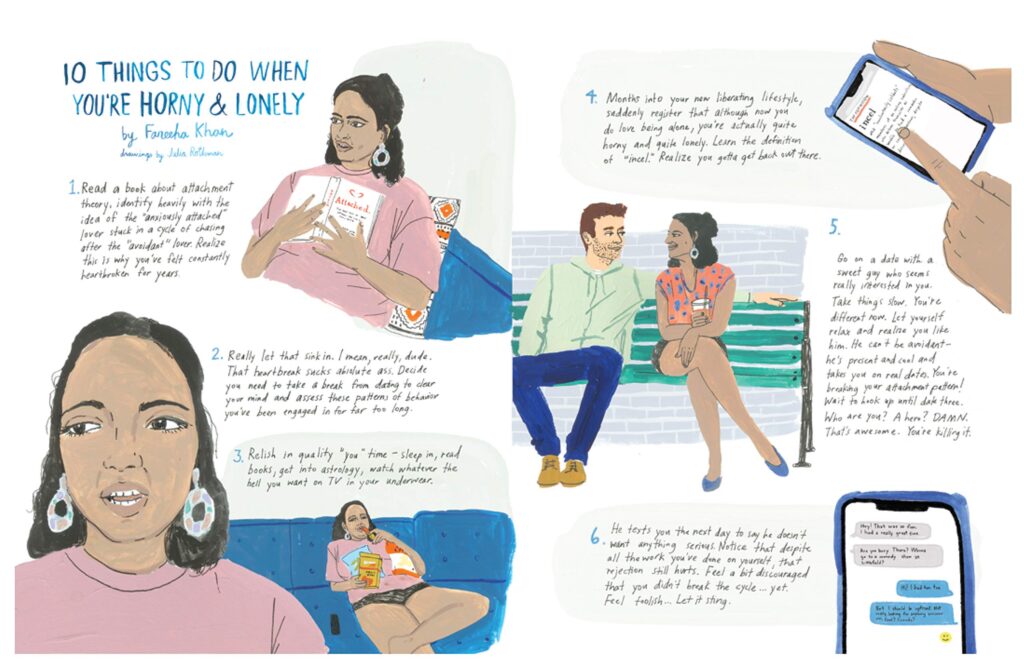
How’d you source the stories and content for Every Body: An Honest and Open Look at Sex from Every Angle?
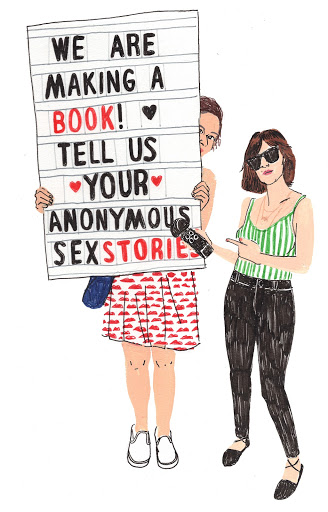
The book is made up of hundreds of anonymous stories and then a couple dozen longer interviews and essays. Plus a ton of art. Some of the anonymous stories for the book came via a website that Julia had built and a lot of the stories came from the two of us going out to the streets and just straight-up interviewing folks. Which was quite an experience. We talked to so many people! We had this big sign that said something like: tell us your anonymous sex stories. I was really impressed by how many people wanted — like actively wanted — to share with us. And the details! Wow! But I think it’s great that people were so open. I wish sex and bodies didn’t have such a stigma. We all have bodies! We should talk about them more.
I love this description of the book: “Experience a radically inclusive and informative collection of stories, essays, interviews, and art about sex, relationships, and body confidence.” What does “radically inclusive” mean to you?
I think it means feeling empathetic to everyone. Including yourself. I think what it means is listening and hearing stories from all walks of life and all kinds of people. There are stories in the book that I don’t “agree” with but I’m so glad I heard them and made space for other people to hear them.
Of all the stories in Every Body, which one is most interesting to you?
I loved this interview we did with a bouncer at a sex club. He shared such amazing stories with us. He sees all kinds of things and is really so nonjudgmental about it all.
What’s your advice for up-and-coming creative women 40 and over? How do you stay true to yourself and keep on keepin’ on?
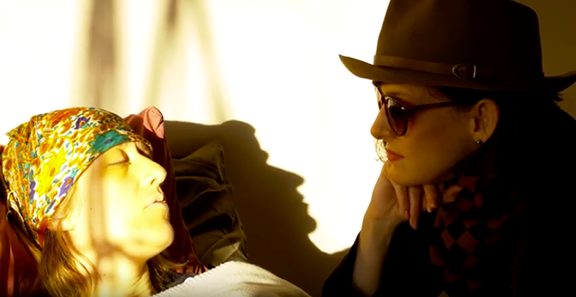
Do the work! That’s what works for me. I mean, first you have to know what you want to do. But once you do, just start making stuff. However you can. During the pandemic I couldn’t film the way I was used to, so my husband Chris and I made stuff however we could. We wound up making three short documentaries — one that was more “normal” and went to Gothamist. And two that were more my style — pastiche, like a quilt but with video. One was about mothering during the pandemic (“Pandemic Motherhood“) and the other was about how early quarantine reminded me of when Chris got sober (“Sober Video“). Both of those we originally self-released and one of them did super well — it got passed around a lot and got over 26k views. Both of those wound up getting picked up by BK USA, which is an audio-visual magazine. But the important thing was that I made them! I think people think they need to make stuff a proper way — on a big scale with lots of money or other people involved. What I’ve found is that just making your stuff how you can, leads to work.
“How Brooklyn’s Nightly Covid-Release Block Party Began” for Gothamist by Shaina Feinberg and Chris Manley
For me, developing my voice by making micro-budget films led to a career. People got to see my work and were like, cool! Then they hired me. So if you want to make films, make something short and cheap first. If you want to write books, make a zine first. If you want to make an album, just do it! In your bedroom! Develop your voice and do the work. You’ll get better, more confident and attract people who like what you’re doing. I find that eventually the gatekeepers are like, “Oh, she’s out there making stuff and we want to be a part of it.” Don’t wait for someone to tell you you can do something. Nike was right about this: JUST DO IT! (I actually made a short film kind of about this, it’s called Make Your Movie and when I watch it, it inspires me to keep going!)
What are the 40s like for you? I remember you saying at a film event in Chicago that some of the best-known female filmmakers didn’t really get started until their 40s — which was really inspiring to me.
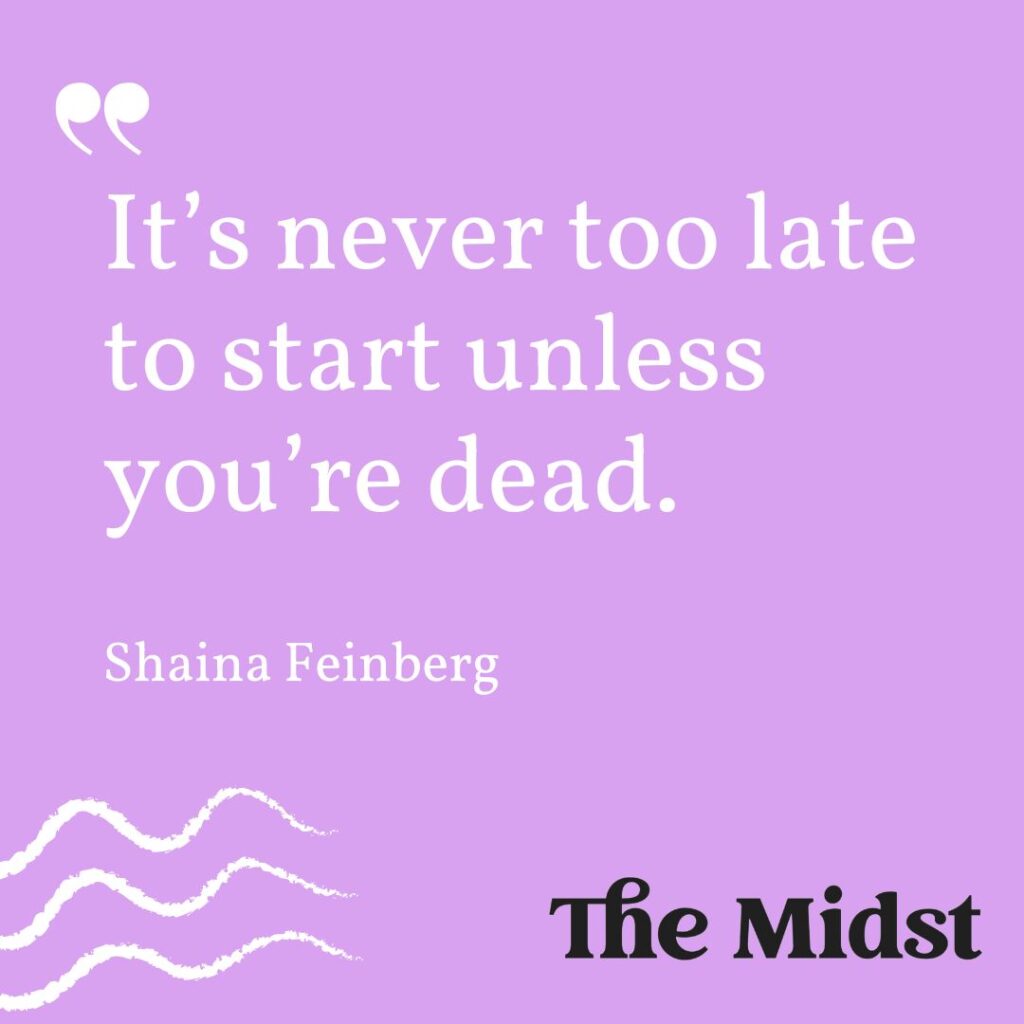
Yeah! Women get started later, often, because there aren’t as many opportunities. So far, mine have been good and super productive! It’s never too late to start unless you’re dead. I wish women in their 70s were starting to make films. Imagine what they’d make!
What are the main three life jumbles you’re dealing with right now — and how do you find your flow?
I guess the only real jumble is how to juggle motherhood during a pandemic and my career — that’s the hardest thing. I’ve somehow made it work but it’s not always easy and definitely not seamless.
I find my flow by making lists of things I have to do. I also make sure I work on things. Like, it can be so easy to feel discouraged but I just little by little move things forward. Twenty minutes here and 20 minutes there can really add up. I love getting things crossed off my list. So just making a list can make me feel good!
What’s next for you, Shaina Feinberg?
I’m developing a lot of bigger projects — films and series — so that’s what’s next. Some bigger projects on the horizon!