

What are the benefits of testosterone for women?
Menopausal women are having a moment — and it’s about damn time! As someone who went through early menopause (in my mid-40s), I vividly recall my shock (and somewhat relief) at learning that what I thought was early-onset dementia, or possibly a mental breakdown, was the result of my body’s nearly non-existent hormone levels.
Once I knew that dwindling hormones were the problem, I began to explore options for managing my menopause symptoms. What I discovered was that hormone therapy, specifically the use of testosterone pellets, is a hot topic for the hot flash demographic and the practitioners who treat them.

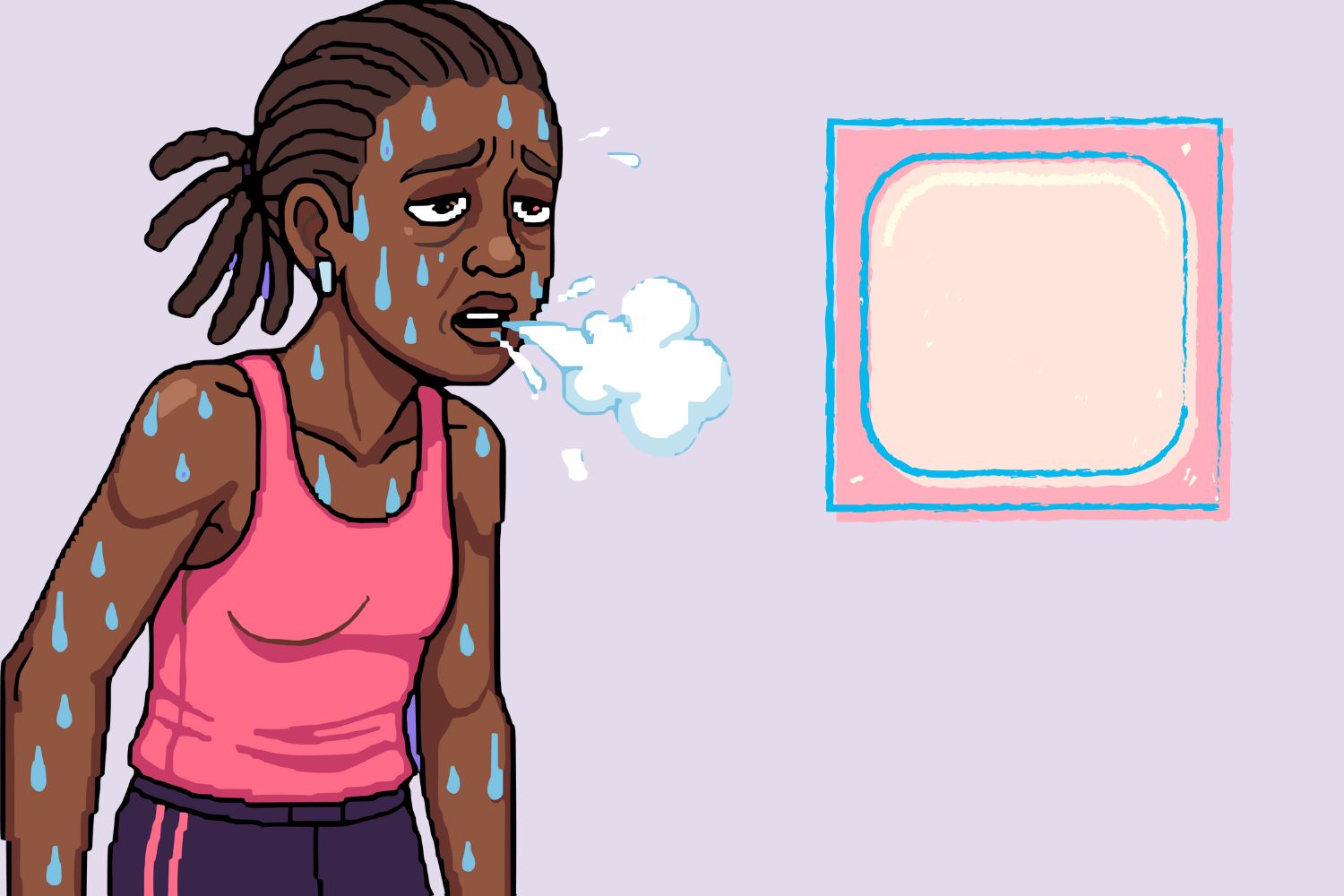
We’ve all heard about the red flags that herald the impending arrival of menopause. Hot flashes, changes in menstruation patterns or flow, unexplained weight gain, insomnia, and the list of perimenopause and menopause symptoms goes on and on. These symptoms and dozens more are often indicators that it’s time to talk to a menopause specialist about the possible use of hormone therapy (HT), or menopause hormone therapy (MRT as it is being referred to more commonly), to relieve symptoms that can negatively impact a woman’s life.
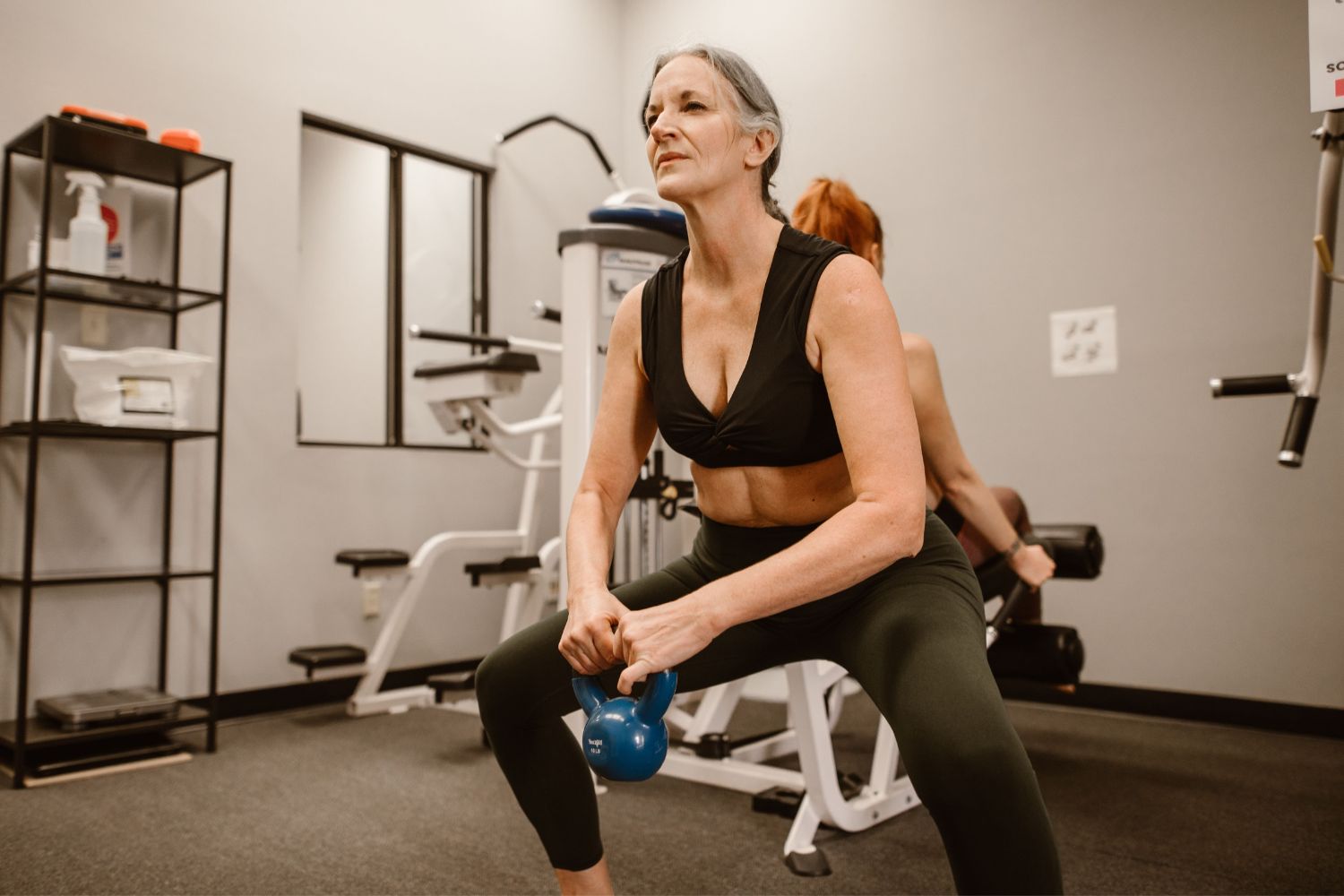
Unfortunately (or maybe fortunately, depending on how you look at it), I didn’t experience the more common physical menopause symptoms. Due to my active lifestyle as a fitness instructor and endurance athlete, I didn’t have the telltale weight gain. Furthermore, my periods had been nearly nonexistent for years due to birth control, so I didn’t realize I had stopped menstruating. I did experience night sweats, but I wrote it off to hot Texas nights (IYKYK).
What I did experience, however, was a deep depression, increased anxiety, brain fog, mood swings, and a libido that went from sex “drive” to sex “neutral,” and finally sex “park.” I knew something was “off,” yet menopause never crossed my mind. That was something that happened to much older women, or so I thought. It wasn’t until I made an offhand remark about my moodiness to my gynecologist that he ran some unscheduled labs. The bloodwork results confirmed that my holy hormone trinity of progesterone, testosterone, and estrogen was not just low, it was hardly traceable. Seems I had blown through perimenopause and was effectively on the other side. I was 45.
Menopausal Hormone Therapy (MRT) has come a long way since our grandmothers’ and even our mothers’ day when “the change” was a taboo topic and women just suffered through it. In today’s world, we have gone from a lack of information to almost too much information, thanks in part to the rise of the midlife social media influencer touting the latest supplement, diet, or MRT that promises to restore your body to factory settings. While I’m thrilled that we live in an age where women are taking charge of their bodies, all the opinions and advice surrounding MRT can be confusing at best and conflicting at worst, especially when it comes to testosterone.
How does testosterone affect women?
Testosterone is a hormone typically associated with men, but women also make it in smaller quantities, and it affects our energy, mood, and libido. Here’s how testosterone works according to Dr. Mary Claire Haver, author of The New Menopause, in The ‘Pause Life: “Testosterone acts on some regions of the brain, such as the hypothalamus and the amygdala, which are critical regions involved in regulating sexual behavior. By increasing testosterone levels, these brain centers become more responsive to sexual stimuli, which can lead to an increase in libido.”
Sounds great, right? So, what’s the potential problem with testosterone treatment? The biggest problem lies in how to administer testosterone to women. As Dr. Haver explains, “There isn’t an FDA-approved form of testosterone that is made just for women. So that means we have to work with what is out there.”
If you haven’t heard Dr. Kelly Casperson‘s take on testosterone, we recommend you watch the above video of Dr. Casperson speaking at the July 2025 U.S. FDA hearing on menopause and hormone therapy. Casperson addresses a critical gap in care: the absence of FDA-approved testosterone options for women.
While testosterone is widely available and approved for men, women remain without regulated, evidence-based dosing — despite clear benefits. In her speech, Dr. Casperson highlights the science of testosterone, the inequity, and why this matters for all genders. Testosterone is a naturally occurring hormone that is beneficial for women’s health and improves libido, brain function, and reduces dementia risk.
Dr. Casperson says that while testosterone is known as the sex-drive hormone, it’s important to note that “testosterone improves libido because dopamine and blood flow in the brain improves.”
Testosterone therapy starts with a conversation with a menopause specialist about the pros and cons of the various methods of getting testosterone into your body. There are several options, but two of the most popular methods include topical compounded creams, and hormone pellet therapy.
What are the benefits of testosterone creams?
Compounded testosterone creams offer ease of application and dosage control and are more affordable than pellets. The downside is that the lack of FDA regulations could compromise the quality of the product. According to Dr. Haver, “There is a reputable professional guideline that says women should avoid using compounded testosterone unless there are no other approved options.”
What are the benefits and downside of hormone pellet therapy?
Hormone pellet therapy involves injecting rice-sized pellets through a small incision made in the glute. The benefit of this method is that once it’s in, you can forget about it for three months.
The downside of hormone pellet therapy is that the injection may be painful, and there is some downtime before you can resume things like exercise and hot baths. It’s also a pricey option, to the tune of approximately $450-$550 every three months, which insurance usually doesn’t cover.
Another potential drawback is that once the pellet is inserted, the dose cannot be adjusted until the next round, so if you have an issue, you’re stuck with it for a few months. Furthermore, pellets can often drive testosterone levels too high, which can lead to unpleasant side effects that may include acne, increased facial hair, an enlarged clitoris and vaginal hypertrophy, which is an enlargement of the labia. While none of these conditions are a medical problem, some women don’t like the aesthetic changes, while others claim an enlarged clitoris makes achieving orgasm easier.
A more serious issue, according to Dr. Jen Gunter, is that it may lead to blood clots, cancers, and abnormal uterine bleeding that could result in a hysterectomy. On her Substack The Vajenda, Gunter writes, “I have seen real harm from pellet therapy as have many of my colleagues.” She also pointed out that, like other forms of testosterone therapy for women, pellets are not FDA-regulated or approved. “Pellet therapy for menopause is not recommended by experts, there is no data supporting safe use, they are associated with an increased risk of complications, the actual manufacturing of the product is fraught with issues, and there is no batch testing for purity,” she explained.
After talking with my doctor and discussing the pros and cons of both testosterone methods, I originally went with a compounded cream. What I soon discovered is that in my early morning rush to get out the door, most of it wound up on my clothes. After a few years of using the cream and feeling just “okay,” I decided to give BioTe pellets a shot. I’ve been on them for five years, and I have not looked back.
My muscle mass increased while taking testosterone pellets and my depression and anxiety significantly subsided. My energy and physical activity levels returned to normal, and my sex drive went back on track and then some! Yes, I have had some of the side effects (hello chin hairs), but they have been mild, and for me, they do not outweigh the benefits. I monitor my levels regularly and carefully and adjust dosage according to my doctor’s recommendations based on my physically demanding lifestyle. At my last visit, I chose to decrease the dose per my doctor’s recommendation based on my levels, and, although I was worried, so far I cannot tell the difference.
Testosterone therapy is not one-size-fits-all
At this point in the evolution of menopause treatments, every woman must do her own research about hormone therapy, talk to her doctor, and formulate a plan that works for her and her lifestyle. She needs to understand that achieving optimal results requires time, trial, and error. And, until women’s health care in the United States improves, hormone therapy is costly.
It is also worth noting that most doctors caution against the use of pellets for all of the aforementioned reasons and that choosing that option is something that should be weighed carefully. For every woman (like me) who has said they make her feel invincible is another woman who has had potentially serious issues. As Dr. Gunter noted, “Not everyone who smokes gets cancer or lung disease, and many people who smoke feel fine. Not everyone using pellets will have issues, but many will.”
As for me, depending on how I feel by the end of my current reduced dosage cycle, I may explore other options for delivering testosterone into my system at a more reasonable dose and price. Although they effectively got me over the worst hurdles of my post-menopause life, my ultimate goal is not to rely on them forever.
New to perimenopause or need a refresher? Read 90+ stories about the modern perimenopause experience