

Opinion: What the We Do Not Care movement gets right (and what it misses) about menopause
A new social media movement is striking a chord with women in midlife and beyond. Melani Sanders, a 45-year-old influencer and mother of three, has built an enormous online following with her “We Do Not Care” Club — an exuberant, unfiltered celebration of no longer caring about dress codes, chin hairs, edge control, or painted toenails. Her videos are funny, cathartic, and deeply resonant for people navigating the chaos of perimenopause and menopause.
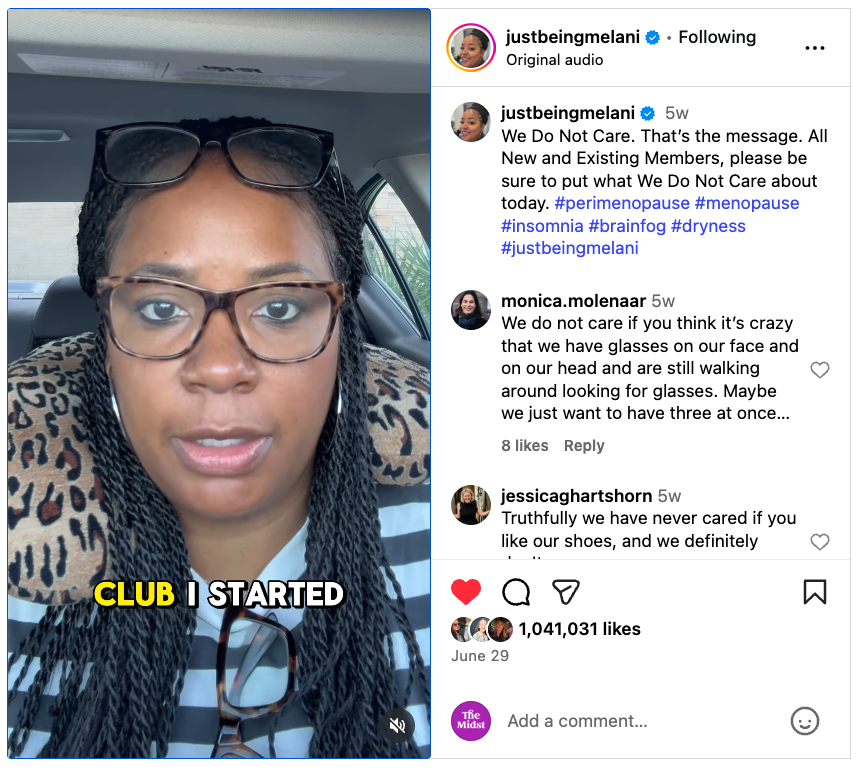
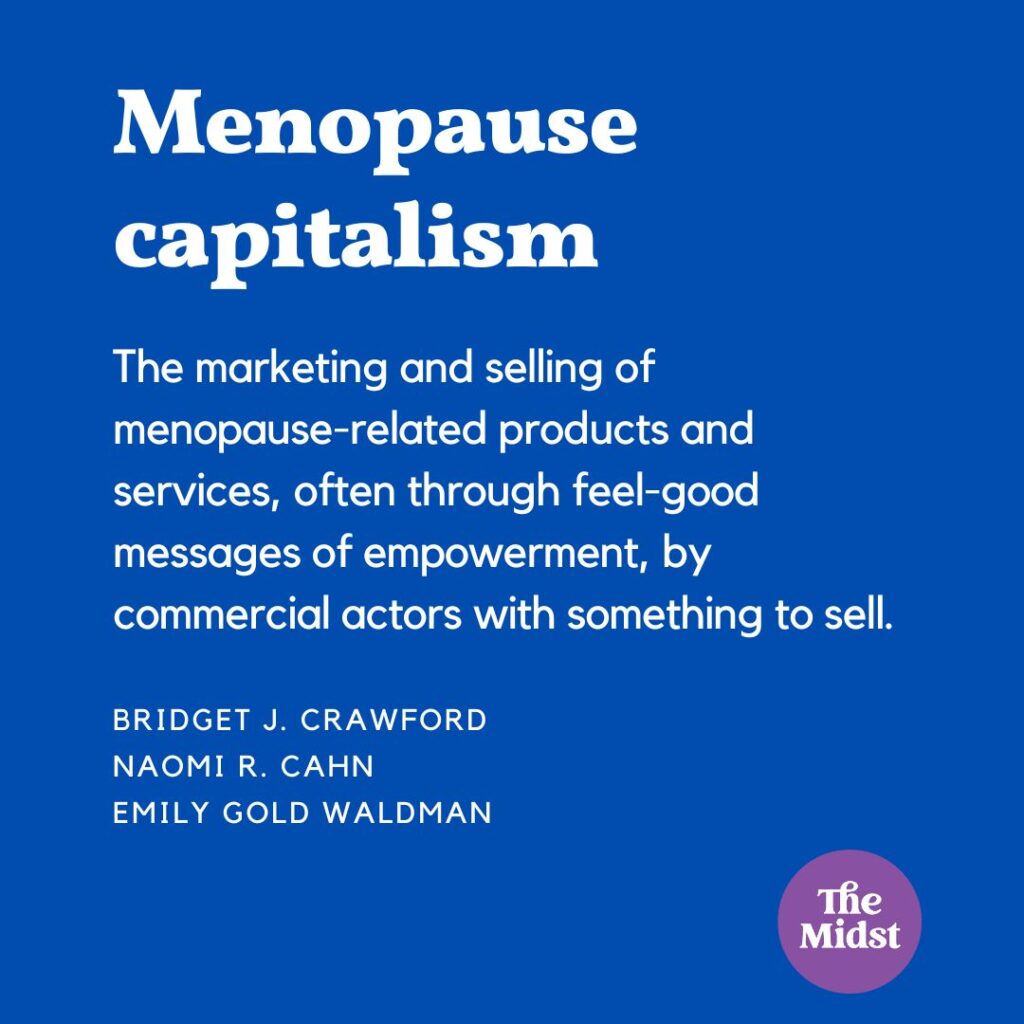
The rise of the WDNC Club is not just a meme. It is part of a broader cultural and commercial moment: menopause is finally getting attention. But even as more women speak openly about hot flashes, brain fog, and insomnia, another revolution is unfolding quietly: the transformation of menopause into a multi-billion-dollar industry. As legal scholars studying this phenomenon, we call it menopause capitalism. That’s the marketing and selling of menopause-related products and services, often through feel-good messages of empowerment, by commercial actors with something to sell.
What Sanders has created is undeniably liberating, as well as laugh-out-loud funny. After decades of societal pressure to perform perfection — at home, at work, in relationships — many women experience menopause as a turning point. The WDNC Club offers solidarity and a chance to reclaim autonomy by refusing to conform to standards that no longer serve them. In this sense, it echoes a long feminist tradition of rejecting norms rooted in patriarchy, ageism, and the relentless policing of women’s bodies.
But menopause is not just about freedom from expectations
It is also about health, economics, and inequality. And that’s where things get more complicated.
Over the past few years, new scientific findings have reshaped the understanding of menopause. Once framed by the medical profession as a deficiency to be corrected, then later as a risk to be endured, menopause is now being re-examined as a neurological and metabolic transition. New imaging studies of the brain during menopause have shown structural and chemical changes that help explain symptoms like memory loss, mood shifts, and disrupted sleep. These symptoms are real and can be debilitating for some. They are also increasingly treatable.
The most well-known treatment is menopausal hormone therapy (MHT). After decades of controversy following a 2002 federal study that overstated its risks, MHT has seen a cautious comeback, particularly for women under 60 or within 10 years of menopause onset. Newer treatments, like the non-hormonal drug Veozah, also promise relief.
With greater awareness has come rising demand. In 2023, the Mayo Clinic estimated the cost of menopause-related work disruptions at $1.8 billion per year in the U.S. alone. A recent study using Scandinavian data found that improved access to menopause care was associated with smaller earnings declines among menopausal women. In other words, treating menopause isn’t just a matter of comfort — it has economic consequences.
Enter menopause capitalism. From menopause-focused telehealth platforms and tracking apps to dietary supplements and celebrity-backed beauty products, the market has exploded. Oprah Winfrey’s March 2025 prime-time special on menopause featured actors, entrepreneurs, and physicians. The show served as a watershed moment and a warning. On the one hand, the special destigmatized symptoms that millions of women experience. On the other hand, it blurred the lines between science and sales. One physician compared menopause to a “neurodegenerative disease” and urged immediate treatment after the first hot flash, without disclosing her financial interest in a hormone therapy product marketed for brain health.
Some of the most visible players in menopause capitalism are physicians who double as entrepreneurs. One high-profile example is Dr. Mary Claire Haver, whose wellness brand and social media presence have reached millions. Praised by some for raising awareness, she is also criticized by other menopause specialists for making broad claims that go beyond current scientific consensus and for selling supplements of unproven efficacy. For patients trying to sort real medicine from marketing, the landscape is increasingly difficult to navigate.
Even apps that promise personalized, holistic care pose risks. Platforms like Caria and Balance prompt users to log sensitive health data — yet their privacy policies allow data sharing with third parties, including marketers. In a post-Dobbs legal environment, where reproductive health data may be subject to subpoena or surveillance, these privacy vulnerabilities are not theoretical.
What’s missing from the WDNC Club’s sideways celebratory aesthetic (though not by fault of Sanders herself — we are fans of her comedy) is a recognition of how structural inequities shape access to menopause care. Many Medicaid programs don’t cover hormone therapy. Medicare drug coverage is patchy. And only about one-third of OB/GYN residency programs offer training in menopause care. For every woman who can afford customized hormone treatment and private telehealth services, there are many others who can’t get basic symptom relief or don’t even know what their options are.
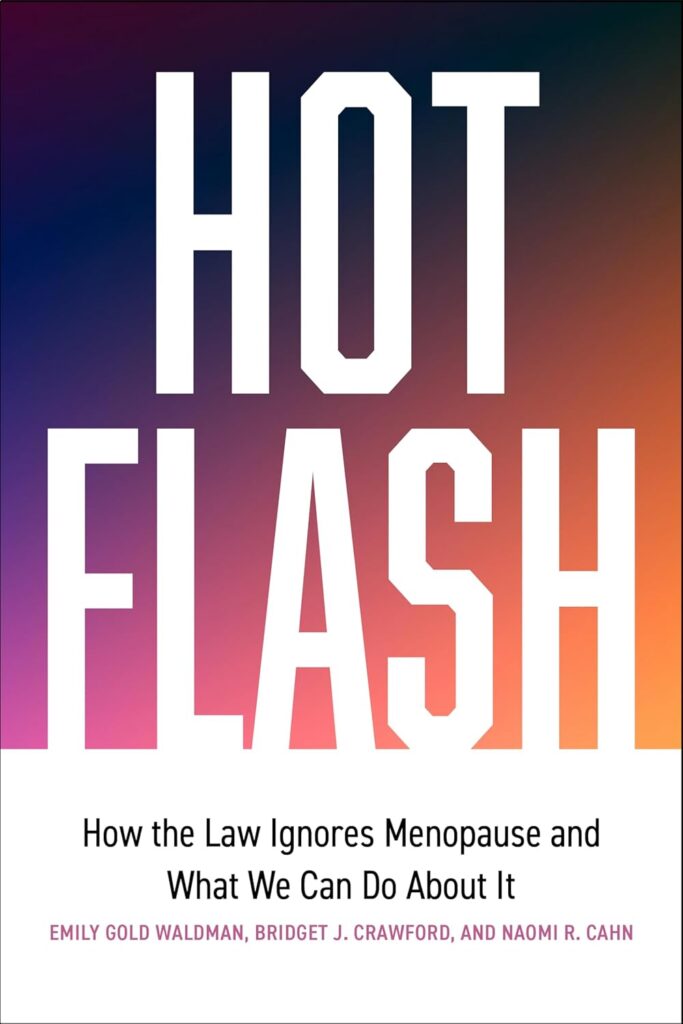
This does not diminish the value of the WDNC Club. Its viral success reflects a yearning to break free from shame and silence, and to age without apology. But alongside cultural liberation, we need policy reforms. In our book Hot Flash: How the Law Ignores Menopause and What We Can Do About It, we offer a variety of solutions. There needs to be mandatory insurance coverage for menopause treatment, regulation of health apps and digital platforms, and clearer boundaries between clinical guidance and commercial promotion. As menopause becomes more visible, the legal and ethical questions will only grow more urgent.
The cultural revolution Sanders is helping lead is real. But to make it both sustainable and equitable, we need a parallel revolution in how menopause care is delivered, governed, and accessed. What we care about, in the end, must include not just what’s in our mirrors, but what’s in our laws, our health systems, and our wallets.
Want to talk about it?
Join the community chat here on The Midst Substack.
Disclosures
The authors of this essay do not work for, consult, own shares in, or receive funding from any company or organization that would benefit from this article, and have disclosed no relevant affiliations beyond their academic appointments.
The Midst is an independent publisher, community platform, and collective of writers and subject-matter experts. We welcome various opinions and thought leadership about women’s health and the midlife experience. Opinions published on the-midst.com do not necessarily represent the entire Midst collective.