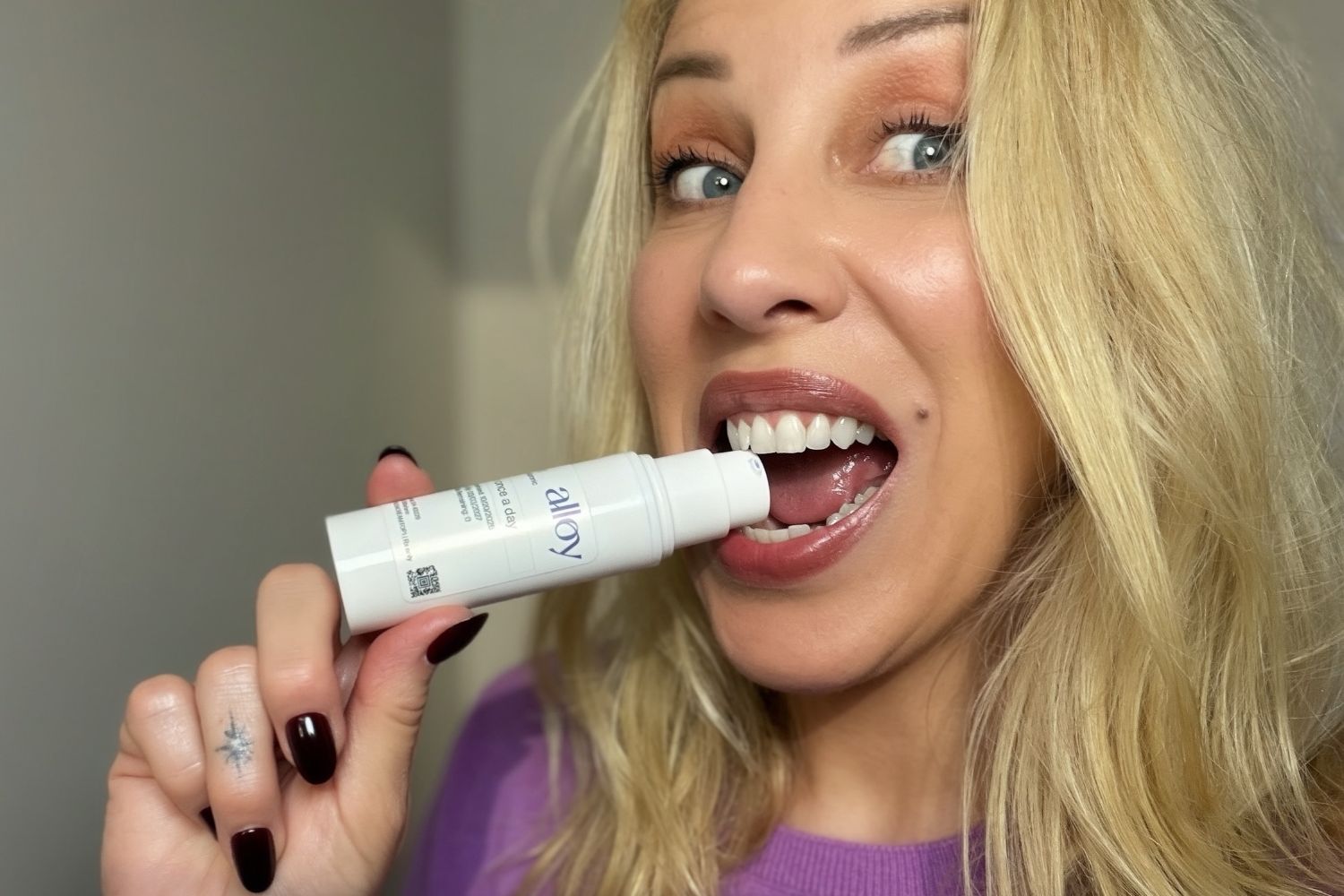

Is Alloy’s prescription hyperpigmentation cream worth it?
If you’re over 40, you may have noticed some new neighbors on your face. Maybe you’ve grown sun spots from the baby-oil-and-foil era or a shadowy patch on your upper lip that showed up right around perimenopause. I play a game of memory trying to remember when new brown and purple spots appear — wait, was that there yesterday?
As a pinkish Scottish-Irish person, skin cancer runs in my family, so I’m already a regular at the dermatologist’s office, getting my moles checked and complaining about acne scarring from my younger years. Apparently skin discoloration is one of the most common complaints dermatologists hear.
I grew up in the Midwest where winter lasts like half the year, and thankfully now I live in Phoenix, one of the sunniest places in America. While the desert is great for preventing seasonal depression, it’s not so great for preventing sun damage.
I’m learning that there’s no single best option for treating hyperpigmentation because it depends on the type of hyperpigmentation and your skin. Topical creams are the most common treatment, and combination therapy can work well. Prescription options include hydroquinone, tretinoin, tranexamic acid, and topical steroids, while chemical peels, laser treatments, and microneedling are in-office options. And of course, daily sunscreen is a must.
I already trust Alloy (the women-owned menopause telehealth company), so when they launched a prescription hyperpigmentation treatment, I wanted to know two things: What’s in it, and is it different from the dozen other online dark-spot prescriptions out there?
Here we go.
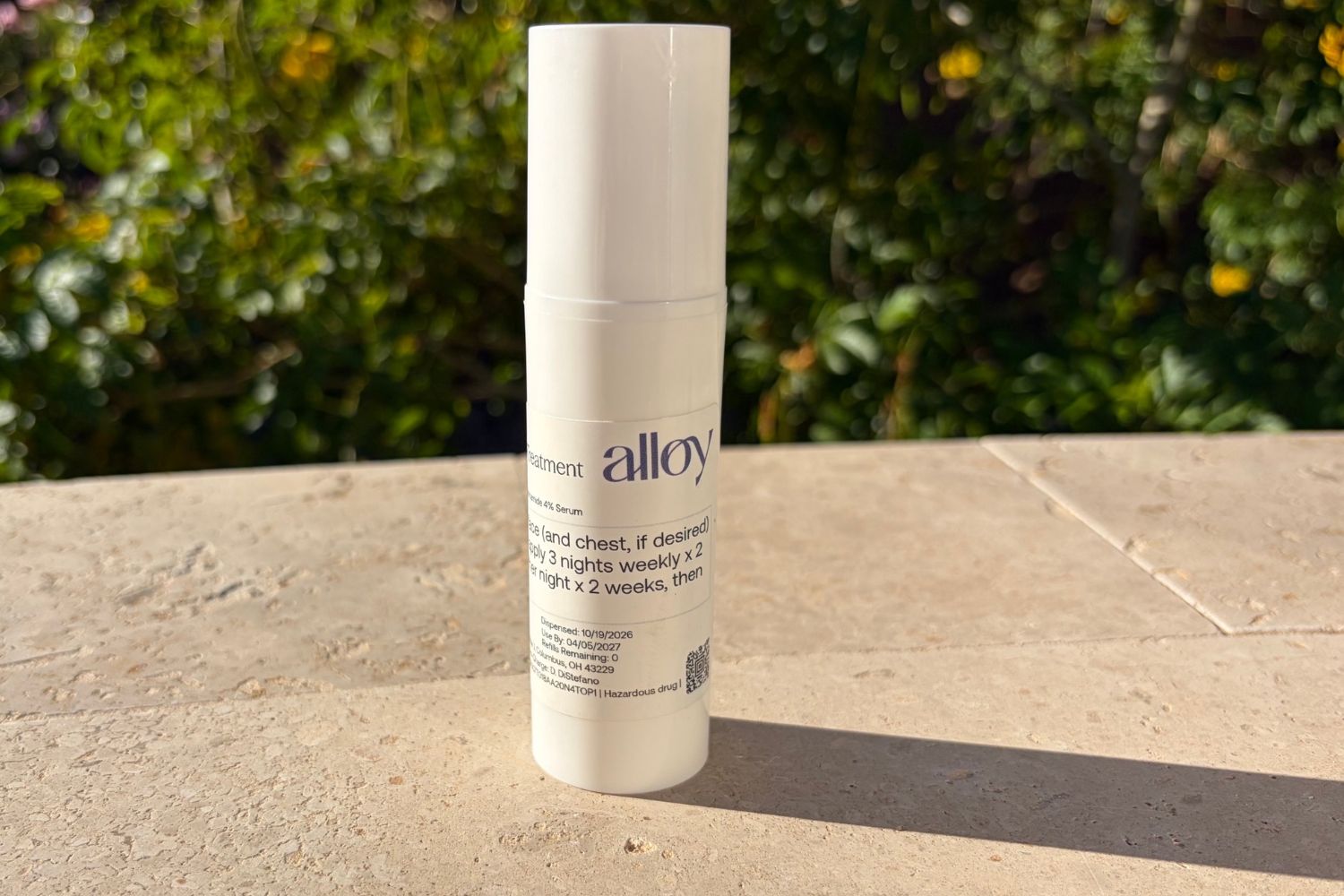
Alloy Hyperpigmentation Treatment is a prescription serum that treats dark spots, sun spots, melasma, and post-acne marks on the face and chest.
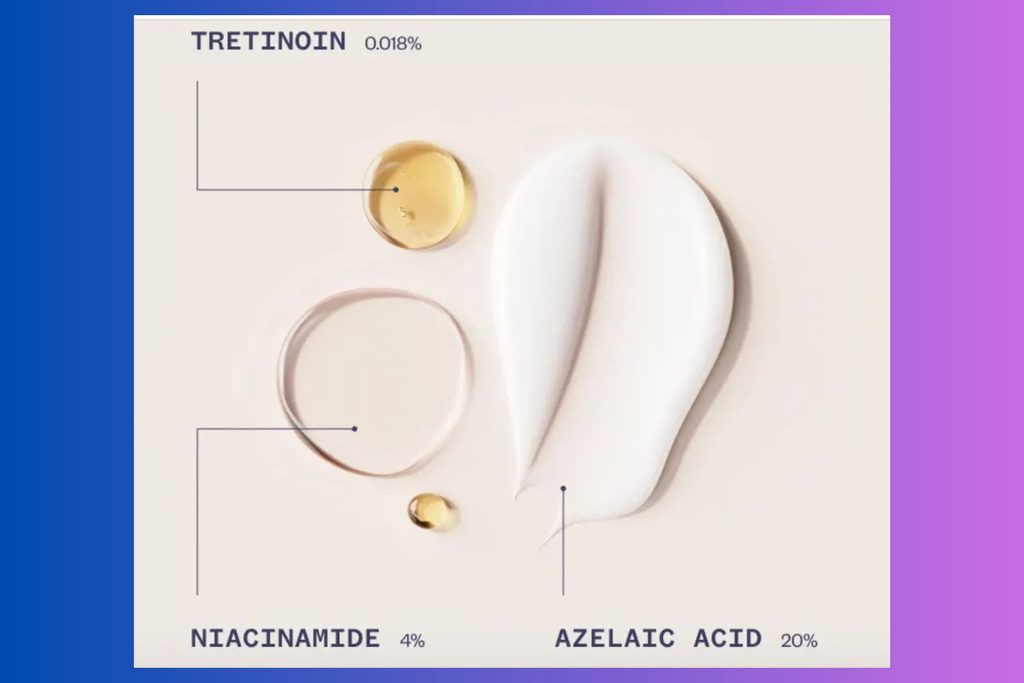
- Active ingredients: 20% azelaic acid, 0.018% tretinoin, and 4% niacinamide
- What’s not in it: Hydroquinone
- Price: $119 for one bottle, which is a 3-month supply (about $40 a month)
- How you get it: Fill out an online intake, and a board-certified doctor reviews your history and decides whether it’s right for you
- Perks: Free delivery, unlimited messaging with your doctor at no extra cost, and HSA/FSA eligible
- Results timeline: Lightening may start within weeks, with stronger results over about 6 months
Before we go deep, what is hyperpigmentation?
Hyperpigmentation is skin that’s darker than your natural skin color and occurs when your skin cells make too much melanin, the pigment that gives skin its color. Depending on your complexion, the hyperpigmentation can look brown, tan, pink, gray, black, or purple.
Unlike a suntan, which fades, hyperpigmentation tends to stick around — though it can lighten with time and treatment. Harvard Health notes it isn’t harmful to your health, but it can be emotionally distressing.
The most common types of hyperpigmentation in midlife:
- Age spots or sun spots: Tan to dark brown spots, bigger than freckles, that show up in adulthood from sun exposure or past sunburns — usually on the face, forearms, chest, and tops of the hands.
- Melasma: Irregular dark patches, typically on the cheeks, upper lip, and forehead. It’s driven by sun exposure and female hormones, including pregnancy and birth control pills.
- Post-inflammatory hyperpigmentation (PIH): Dark marks left behind after acne, a rash, a burn, or another skin injury heals.
There’s loads of causes: sun exposure, genetics, hormonal shifts, certain medications, skin conditions like acne and eczema, and some medical conditions, including diabetes, thyroid disease, and adrenal insufficiency. It’s smart to see a dermatologist if a spot is more than one color or isn’t responding to treatment.
Why hyperpigmentation is harder to treat after 40
Three fun things tend to pile up in midlife:
1. Your skin renews more slowly. Cell turnover slows as we age, so pigmented cells stick around longer before they shed. Spots that used to fade on their own in a few months now just… stay.
2. Hormones get involved. Harvard Health notes that melasma most often shows up in women in their 20s and 30s, but it doesn’t always stay there. During perimenopause, estrogen doesn’t just decline — it swings higher and lower than it did in your peak reproductive years, and that rollercoaster can trigger melasma, even in women who never had it before. Hormone therapy can trigger it in some women, too.
3. The sun bill comes due. Decades of UV exposure show up as age spots, and midlife skin that’s thinner and slower to repair doesn’t bounce back the way it used to.
What are the ingredients inAlloy’s hyperpigmentation cream?
Alloy’s formula contains these well-studied ingredients that each go after pigment from a different angle:
- 20% azelaic acid — the heavy lifter
Azelaic acid slows tyrosinase, the enzyme your pigment cells use to make melanin. You can find it over the counter, but 20% is prescription strength; most OTC azelaic products top out around 10%. This is the ingredient with the best head-to-head data. In a 24-week, double-blind study of 329 women with melasma (Baliña, 1991), 20% azelaic acid produced good or excellent results in 65% of women — with no significant difference from 4% hydroquinone in overall rating, lesion size, or pigment intensity. Several smaller trials since then have found it roughly as effective as hydroquinone, with fewer side effects. It also has solid data in darker skin tones, which matters because many brightening treatments can irritate deeper skin and cause more discoloration.
- 0.018% tretinoin — the turnover booster
Tretinoin is a prescription form of vitamin A, and Harvard Health lists it among the go-to prescription creams for hyperpigmentation. It speeds up cell turnover so pigmented skin sheds faster, and it’s been shown in controlled trials to improve both melasma and post-inflammatory dark marks. The 0.018% dose is on the low end (common prescriptions run 0.025% to 0.1%). That’s a deliberate trade: gentler on drier midlife skin, but potentially slower.
- 4% niacinamide — the barrier buddy
Niacinamide (vitamin B3) blocks pigment from transferring into your surface skin cells, and it helps support the skin barrier — which is useful when you’re putting tretinoin and azelaic acid on your face every day. Reviews of the research describe it as a safe, versatile option for melasma and an alternative to hydroquinone, particularly for maintenance.
What’s different about Alloy’s hyperpigmentation treatment?
1. It skips hydroquinone on purpose
Hydroquinone has been the go-to dark-spot fader for decades, and most competing telehealth formulas still lean on it. Musely’s The Spot Cream uses hydroquinone (up to 12%) in most of its formulas. Nurx’s Dark Spots Formula pairs 4% hydroquinone with tretinoin, azelaic acid, kojic acid, and hydrocortisone, and Nurx describes it as meant for short-term use of up to 3 months at a time.
That on-again, off-again cycling is the catch with hydroquinone. Over-the-counter hydroquinone was pulled from U.S. shelves in 2020, and dermatologists typically limit how long you stay on prescription versions because of risks like irritation and, rarely, a hard-to-treat bluish-gray darkening called exogenous ochronosis.
Melasma is a chronic condition that loves to come back. A formula you can (with your doctor’s okay) use continuously is a meaningful difference — it’s built for treatment and maintenance. Alloy says its formula is designed to fade spots “without bleaching your skin.”
The honest trade-off: Hydroquinone is still the gold standard for a reason. A 2025 trial found that 4% hydroquinone plus oral tranexamic acid outperformed 20% azelaic acid alone over six months. If your melasma is deep or stubborn, a hydroquinone-based plan may work faster.
2. It has the most azelaic acid of the bunch
Competing custom formulas use azelaic acid as a supporting player — Curology’s typically include 4% to 9%, and Nurx’s has 6%. Alloy’s 20% is the same concentration used in the clinical trials that compared azelaic acid to hydroquinone. If you’re going hydroquinone-free, that’s the concentration you want.
3. It was created by a menopause-focused medical team
To me, this is a big one. Alloy’s new dermatology medical advisor, Dr. Corinne Erickson, is a board-certified dermatologist and a Menopause Society Certified Practitioner — a rare combination.
Estrogen can trigger melasma, and Harvard Health lists hormonal fluctuations and birth control pills among the causes of hyperpigmentation. If you’re one of the many women getting hormone therapy through Alloy (or thinking about it), having the same platform look at your hormones and your skin means someone is looking at the whole picture. Alloy’s FAQ directly addresses using the treatment alongside hormone therapy.
One thing worth flagging: Alloy also sells estrogen-based skincare (its M4 line uses estriol), and there’s a published case report linking topical estrogen cream to melasma in a postmenopausal woman. That doesn’t mean M4 will give you dark spots. But if you’re prone to melasma, it’s a smart question to bring to your doctor.
4. It treats your chest, too
Age spots love the chest — Harvard Health names it as one of the most common places they show up. Many dark-spot products are face-only, but Alloy specifically formulates and markets this one for the face and chest.
5. The pricing is simple
$119 covers three months of product, doctor access, and shipping. There’s no separate consultation fee, and you can use HSA/FSA dollars.
Alloy vs. other prescription hyperpigmentation creams
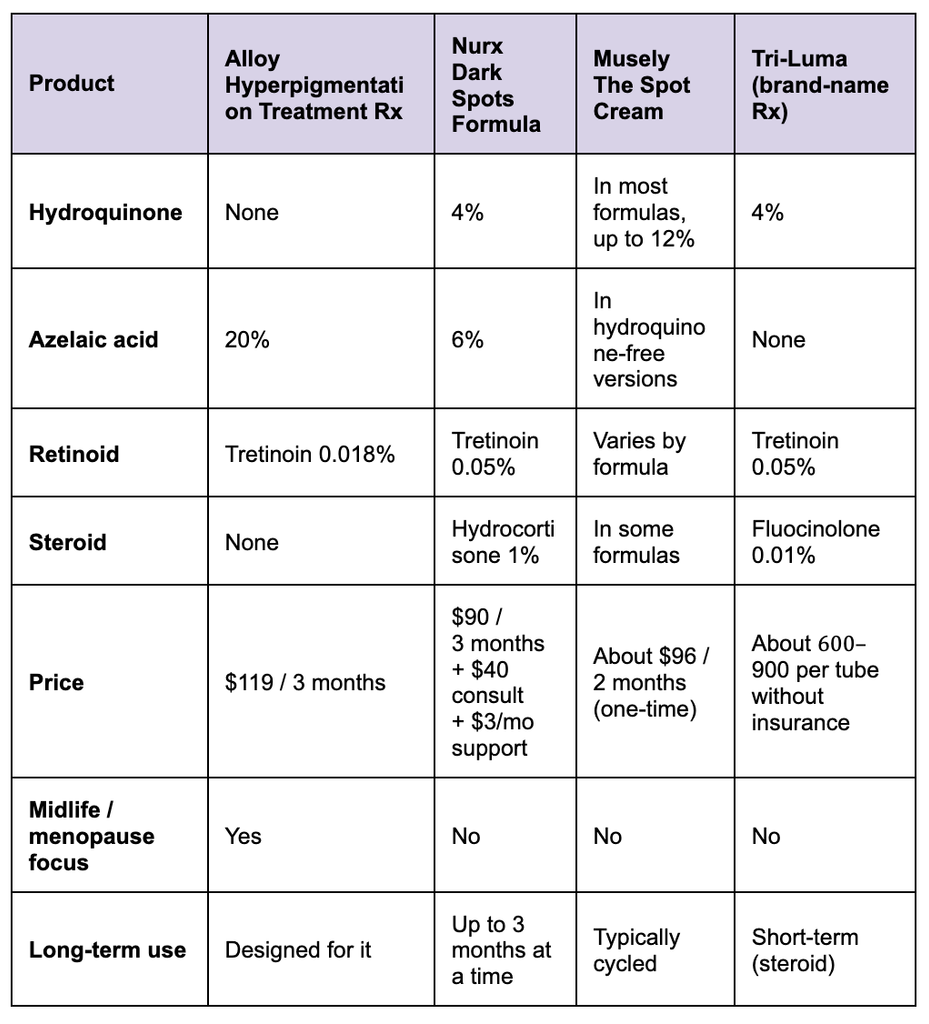
On price alone, Alloy lands in the middle: a bit more than Nurx’s medication cost, but once you add Nurx’s consult and support fees, the first three months come out close. And Alloy is dramatically cheaper than brand-name Tri-Luma.
How long does it take for a hyperpigmentation cream to work?
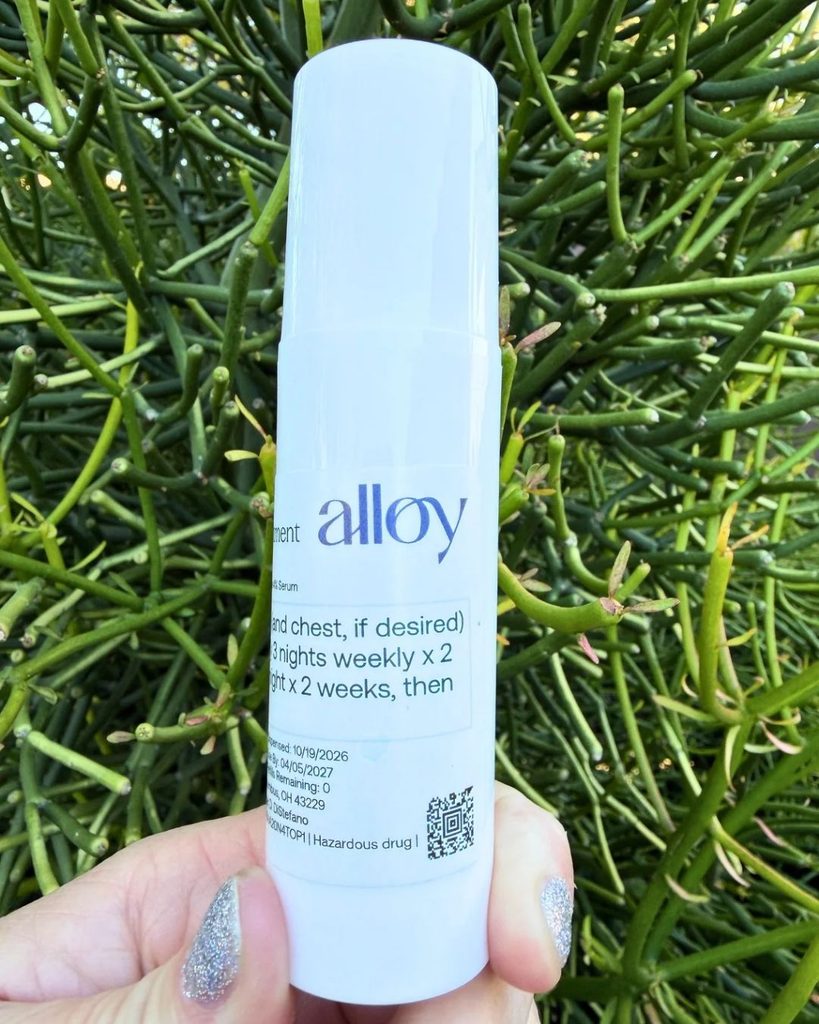
This stuff is potent in the best possible way, so Alloy suggests starting small and buildng your way to nightly over time. The prescription suggests starting by applying one to two pumps three nights weekly for two weeks. After the two-week period, apply to your face (and chest if you’d like) every other night for an additional two weeks before using nightly as tolerated. You must use the product consistently and also use sunscreen during the day in order to see the biggest difference.
Expect weeks to months, not an overnight fix, so like most good things, patience is required. Alloy says dark patches may start to lighten within weeks, with stronger results over about six months.
How much does it cost?
$119 for a three-month bottle (about $40 a month), including doctor access and shipping. It’s HSA/FSA eligible.
Can I use Alloy Hyperpigmentation Treatment if I’m on hormone therapy?
Alloy addresses this in its FAQ, and its doctors can review your hormone therapy and skin together. Because estrogen can trigger melasma, it’s worth telling your provider about any hormone therapy, including estrogen face creams.
Is Alloy’s hyperpigmentation cream worth it?
Alloy didn’t reinvent hyperpigmentation treatment — azelaic acid, tretinoin, and niacinamide have been dermatologist staples for years. Alloy packaged them thoughtfully for women in midlife: a full prescription-strength dose of the gentlest heavy hitter, no hydroquinone to cycle on and off, a lower-dose retinoid for drier skin, and a medical team that understands how hormones and pigment interact.
Where to buy Alloy Hyperpigmentation Treatment Rx