
Why are chia seeds one of the best superfoods and superseeds?
While I’m usually anti-superfads, I am a sucker for superfoods and try to eat as many as possible (looking at you, almonds, berries, and kale). Then when I heard Jennifer Aniston and Taylor Swift are chia seeds fans, I became intrigued and bought a pound of them.
A month after eating chia seeds daily, I’m here to report good news: I don’t even notice them in my daily smoothies, and I’ve managed to lose a couple of pounds without changing anything else about my diet.
After doing a ton of research on chia seeds, I’ve written this guide to highlight just about everything you need to know about the superseeds — and then some.
What are the health and nutritional benefits of chia seeds?
Health benefits of chia seeds range fom improved digestion, weight management, and increased energy — here are four to write home about.
1. ALA fatty acid supports heart health
According to the Harvard School of Public Health, chia seeds are the richest plant source of omega-3 fatty acids and contain all nine essential amino acids that cannot be made by the human body.
Even though I eat healthily, I inherited high cholesterol, so I was happy to learn that chia seeds help to reduce triglycerides and can lower blood pressure and inflammation. I’m also not a big meat eater, so I think of chia seeds as a heart-smart way to get ALA (Alpha-linolenic acid) fatty acid, also a primary nutrient in walnuts.
The Nurses’ Health Study found a 40% reduced risk of sudden cardiac death in women who ate the highest amounts of ALA. Another study of 5,000 men and women 65+ found that eating more ALA was associated with a 50% reduced risk of fatal ischemic heart disease.
2. Dietary fiber promotes regularity, feeling full, and stable blood sugar levels
Eating chia seeds regularly can promote better gut health thanks to both soluble and insoluble fiber:
- Soluble fiber absorbs water and forms a gel-like substance in the gut, which can help slow down digestion and keep you feeling fuller for longer. Soluble fiber also has been shown to improve blood sugar levels in some people with diabetes, according to UCSF Health. Master nutritionist therapist Kerri Ferraioli agrees and says the high fiber content of chia seeds can help with weight management.
- Insoluble fiber adds bulk to the stool (sorry, had to say it) and helps to prevent constipation.
How much fiber is in chia seeds?
One ounce of chia seeds contains about 10 grams of fiber, which is a hefty portion of the daily recommended intake of 25 to 30 grams a day from food, not supplements. Fiber is essential for digestive health, going to the bathroom regularly, and the growth of healthy gut bacteria.
3. Antioxidants protect cells from the harm caused by free radicals
The antioxidants in chia seeds are the bodyguards that neutralize free radicals, reducing the risk of cellular damage and promoting overall health. Yep, chia seeds can help fight against age-related diseases and inflammation.
4. Calcium for strong bones
Chia seeds are an excellent source of calcium, which you know is crucial for maintaining strong bones — especially for women over 40. While many people turn to dairy products for their calcium, chia seeds are a plant-based alternative that’s perfect for vegans and folks who are lactose intolerant. Just one ounce of chia seeds contains 18% of the recommended daily intake of calcium, making it easy to boost your calcium levels and support your bone health.
Chia seeds are also a versatile protein source, making them a good choice for vegans. Chia seeds contain all nine essential amino acids, which are the building blocks of protein.
How many calories are in chia seeds?
Two tablespoons of chia seeds contain approximately:
- 140 calories
- Trace amounts of copper and zinc
- 4 grams of protein
- 11 grams of fiber
- 7 grams of unsaturated fat
- 18% of recommended daily allowance for calcium
What’s the maximum amount of chia seeds you should eat in a day?
Although there is no RDA (Recommended Dietary Allowance) for chia seeds, Medicinenet reports that, in general, people can safely eat up to 50 grams daily, which is about 5 tablespoons.
What are the best brands of chia seeds?
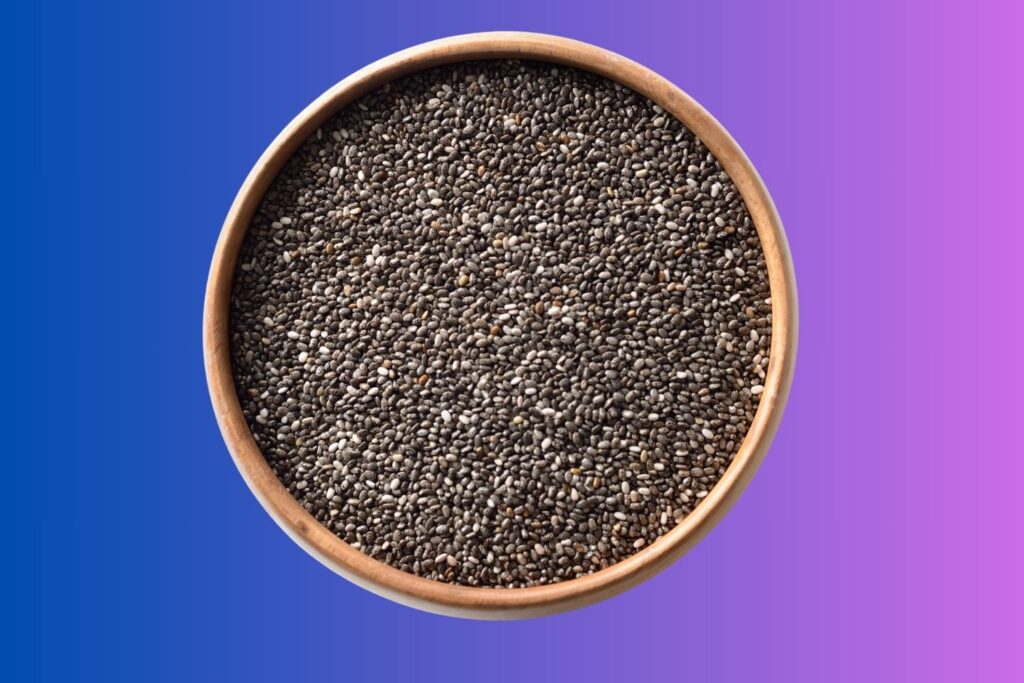
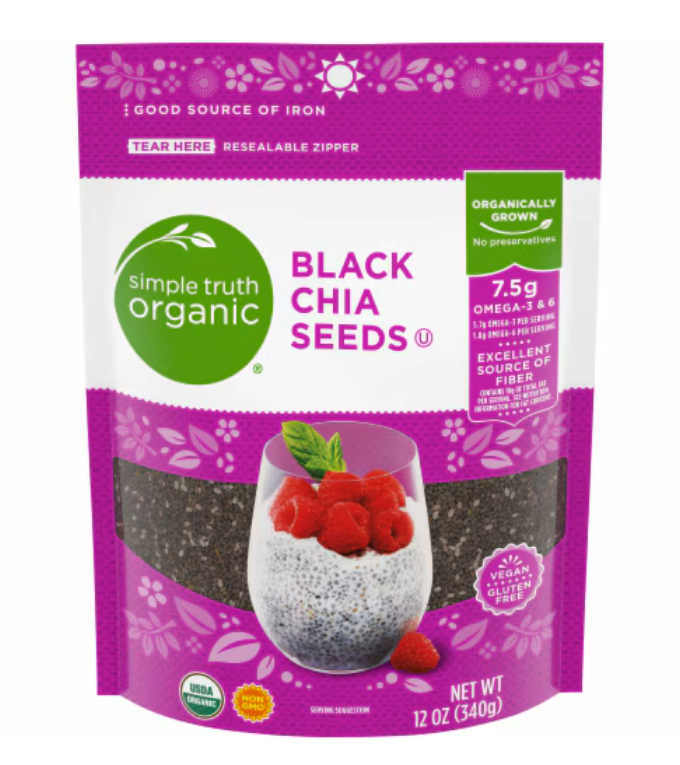
I’m still working my way through my first pound of chia seeds, but according to Consumer Lab, organic black or organic white chia seeds are most recommended.
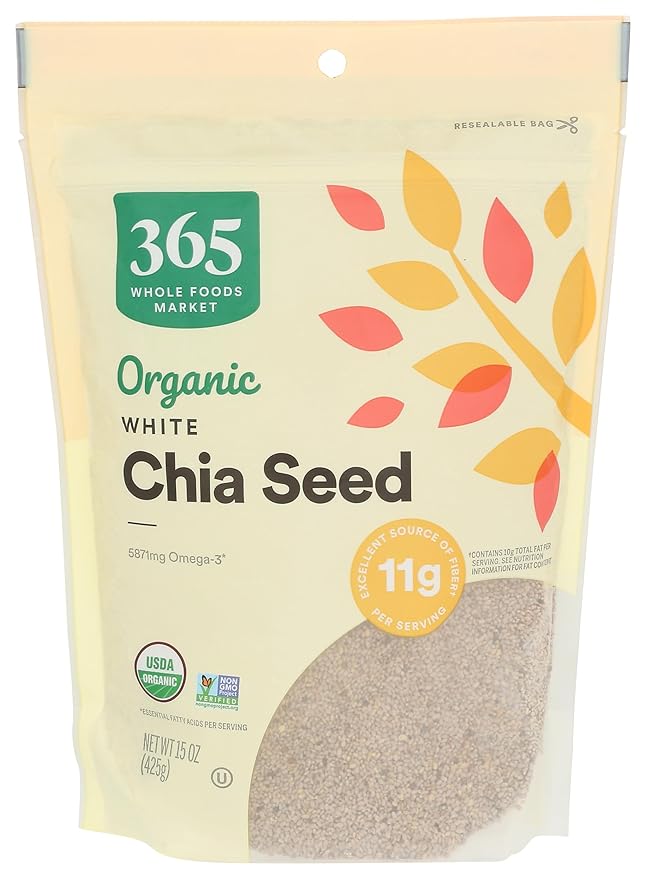
Easy ways to incorporate chia seeds into your diet
- Sprinkle over yogurt or pudding
- Add to smoothies, baked goods, salads, and oatmeal
Do chia seeds expire or go bad?
These tiny seeds can stay fresh for quite a while if you store them correctly. Typically, chia seeds remain fresh for one to two years when stored in a cool, dry place. But don’t leave them in a hot place like the backseat of your car in the summer; improper storage can significantly shorten their lifespan.
Exposure to moisture, heat, or light can cause chia seeds to spoil more quickly. Moisture can lead to the growth of mold and bacteria, while heat and light can cause the delicate omega-3 fatty acids to oxidize, leading to rancidity. To avoid these issues, store chia seeds in airtight containers like glass jars with tight-fitting lids.
Also, by freezing chia seeds, you can extend their shelf life by several months, maintaining their nutritional integrity and preventing the degradation of their essential fats.
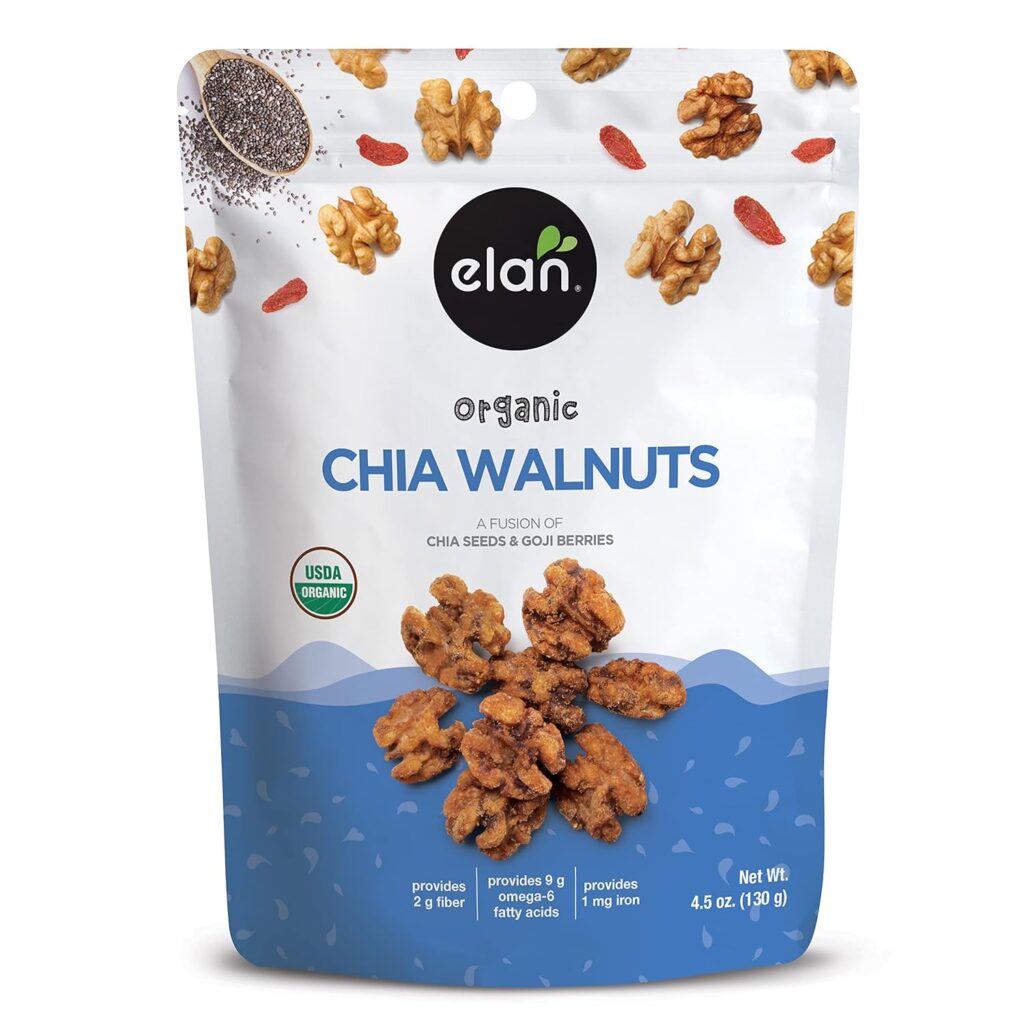
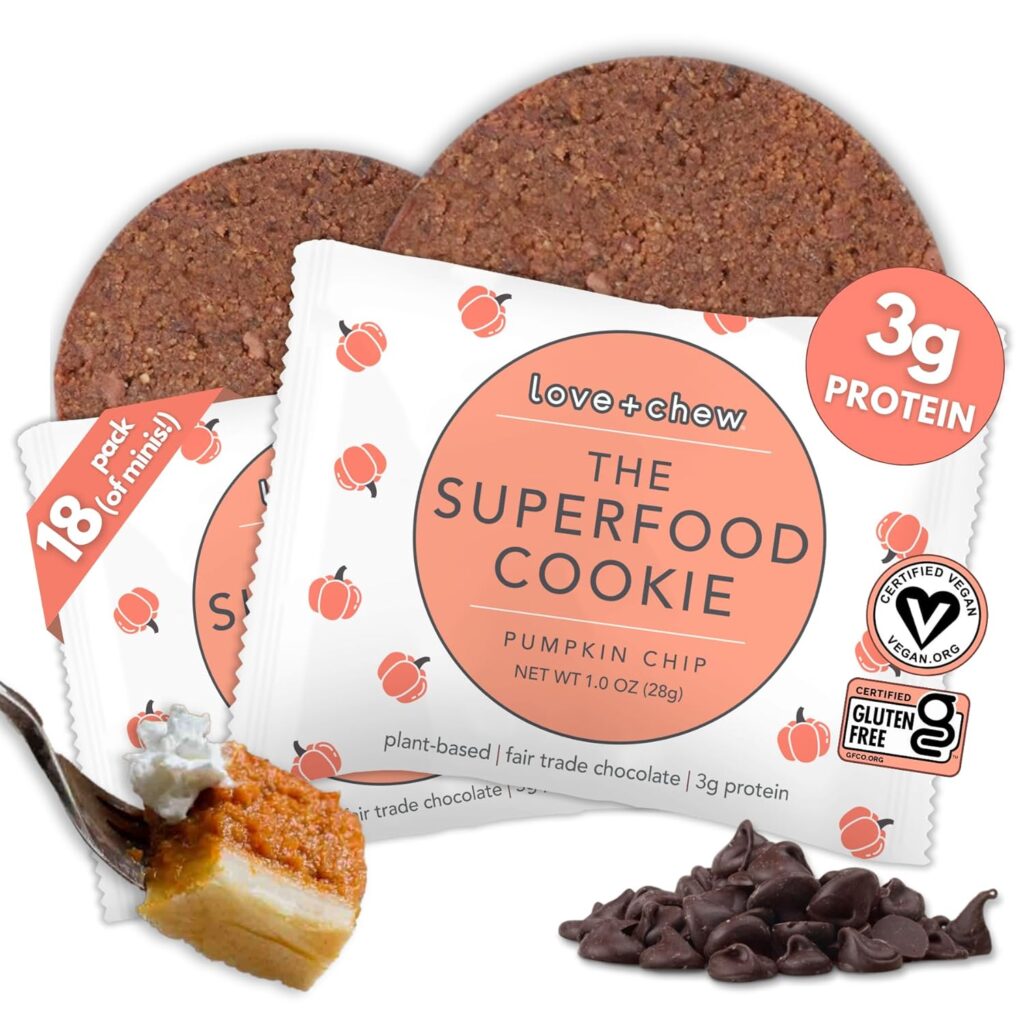
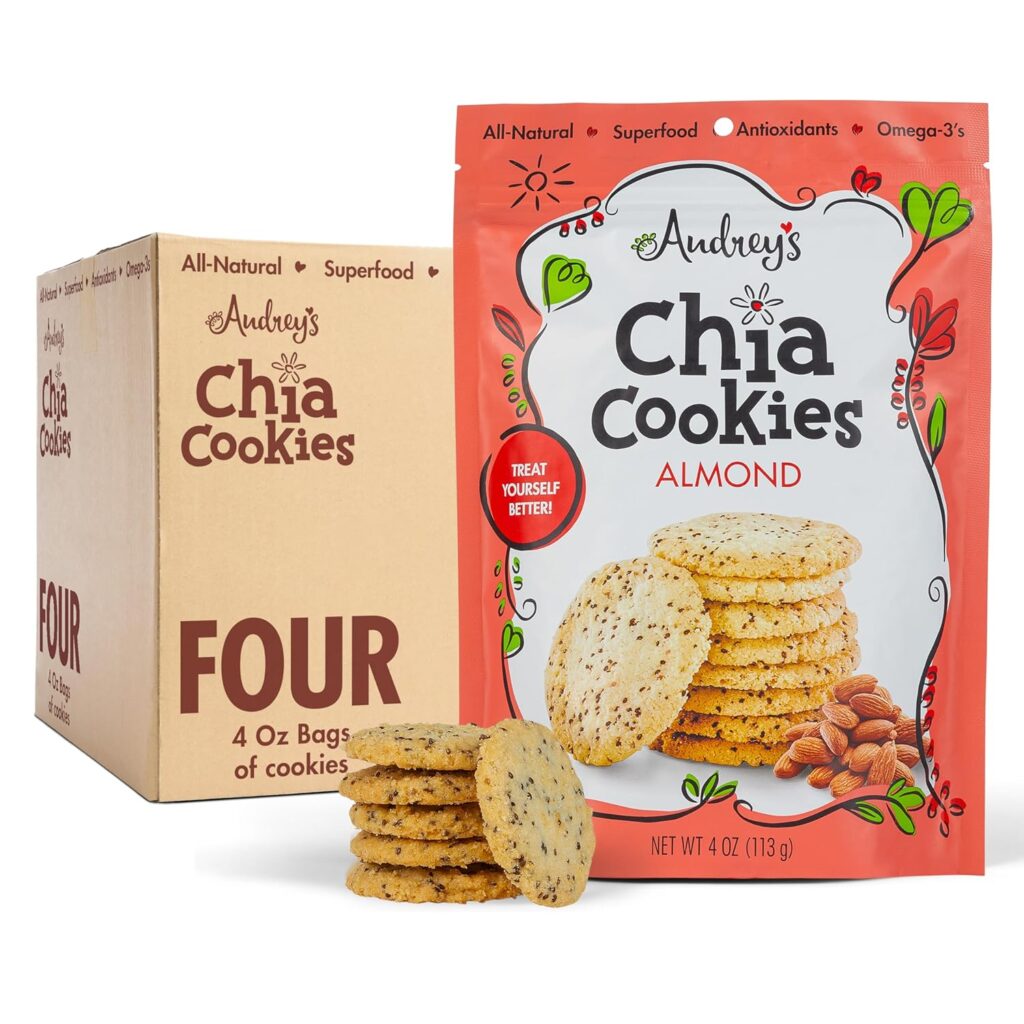
What are some of the best chia seed snacks?
I like these because they do not include white refined sugar:
Where do chia seeds come from?
Chia seeds are harvested from a flowering plant in the mint family called Salvia hispanica, which is native to parts of Mexico and Guatemala.

Are chia seeds in chia pets?
If you’re Gen X like me, when you hear “chia” you might think of the “Ch-ch-ch-chia” jingle. Turns out edible chia seeds are closely related to the chia plants of Chia Pets fame, but they are not the same seed.

Seen Nutrition founders create 1st calcium chew made from real food
The most successful startups tend to address a hair-on-fire problem, and that’s definitely the case for Seen Nutrition, the innovative bone health nutrition company serving menopausal women. The woman-owned business created the first patented dietary calcium chew made from real foods.
Co-founder Dr. Jennifer Han was only 30 when she was diagnosed with pregnancy-lactation osteoporosis after multiple back fractures just two months after having her baby. Her business partner, Adrienne Bitar, grew up watching her mother endure multiple osteoporotic fractures after an osteoporosis diagnosis at 47. The New York duo were friends first, but quickly recognized that their unique fields of expertise — Jenny’s in pharmacy, Adrienne in Food Studies — made them particularly qualified to start a food-first bone health nutrition company.