
What are the top entrepreneurial skills in the Age of AI?
You may have seen lists of “must-have entrepreneurial skills” that include vision, finance skills, grit, and delegation. That advice isn’t wrong — it just needs a bit of a refresh. In the age of AI, the question isn’t so much about which skills entrepreneurs and go-getters need. It’s which skills still require a human.
If you’re re-skilling after a job loss, up-skilling to stay competitive, or considering building your own business, the landscape has shifted quite a bit. You probably know that AI tools can draft emails, analyze data, write code, craft marketing copy, and summarize contracts in seconds. I hate to say it, but the baseline has moved — which means the bar for what makes a person genuinely valuable has moved with it.
This guide focuses on the human-centered entrepreneurial skills that AI amplifies rather than replaces — with suggestions to develop each one.
Why are older lists of entrepreneurial skills outdated?
The most-referenced lists of entrepreneurial skills — including resources from respected business schools — were built for a world where human cognitive labor was the bottleneck. You needed to learn spreadsheets because there was no AI to analyze your numbers. You needed strong writing skills because there was no AI to draft your pitch deck.
Unfortunately, that world is sinking into the past. AI automates and accelerates routine cognitive tasks that once consumed most of a founder’s or employee’s day. What has become more valuable is the distinctly human layer: judgment, relationships, creativity, and the ability to move quickly under uncertainty.
While there’s no one-off magic formula to being entrepreneurial, Aaron Dinin, PhD argues that the secret to entrepreneurship is that you still have to do the work. We agree.
9 entrepreneurial skills that matter now
These aren’t arranged by importance — they’re interconnected. Together, they form the toolkit of someone who can succeed in a world where AI handles the routine and humans handle everything that requires genuine human presence.
1. AI fluency — using tools as a force multiplier
AI fluency doesn’t mean being a developer or prompt engineer. It means understanding what current AI tools can and can’t do well, using them to accelerate your workflow, and recognizing when their outputs need correction. Entrepreneurs who are fluent with AI can effectively act as a one-person team: generating first drafts, analyzing competitors, building prototypes, and researching markets at a pace that was impossible three years ago.
The skill isn’t just in the prompting. It’s in the judgment applied to the output — knowing when to trust it, refine it, when to push it further, and when to ignore it.
2. Opportunity recognition — seeing what isn’t there yet
AI is great at pattern recognition in existing data. But it can’t notice the friction in a sticky convo with coworkers, smell the shift in an industry, or feel the gap between what customers say they want and what they actually need. That’s human territory.
Opportunity recognition is the skill of moving through the world with your antenna up — watching how people actually behave, noticing problems they’ve stopped complaining about because they’ve accepted them, and connecting unrelated trends before anyone else has. This is the seed of every successful business.
How to identify opportunities
Keep a “friction journal.” Write down moments of annoyance, inefficiency, or workaround you see in your job and the world around you. After 30 days, look for patterns. You’ll have dozens of business ideas.
3. Communicating like a human
AI can write but it can’t communicate. Communication in the human sense is about building shared understanding, inspiring trust, handling tension, reading a room, and knowing what not to say. It’s the sales call where you hear the real objection under the stated one. It’s the investor pitch where your conviction and clarity are more important than your slide deck.
In a world flooded with AI-generated content, the person who speaks with genuine voice, nuance, and presence will stand out in a good way.
How to communicate well and read between the lines
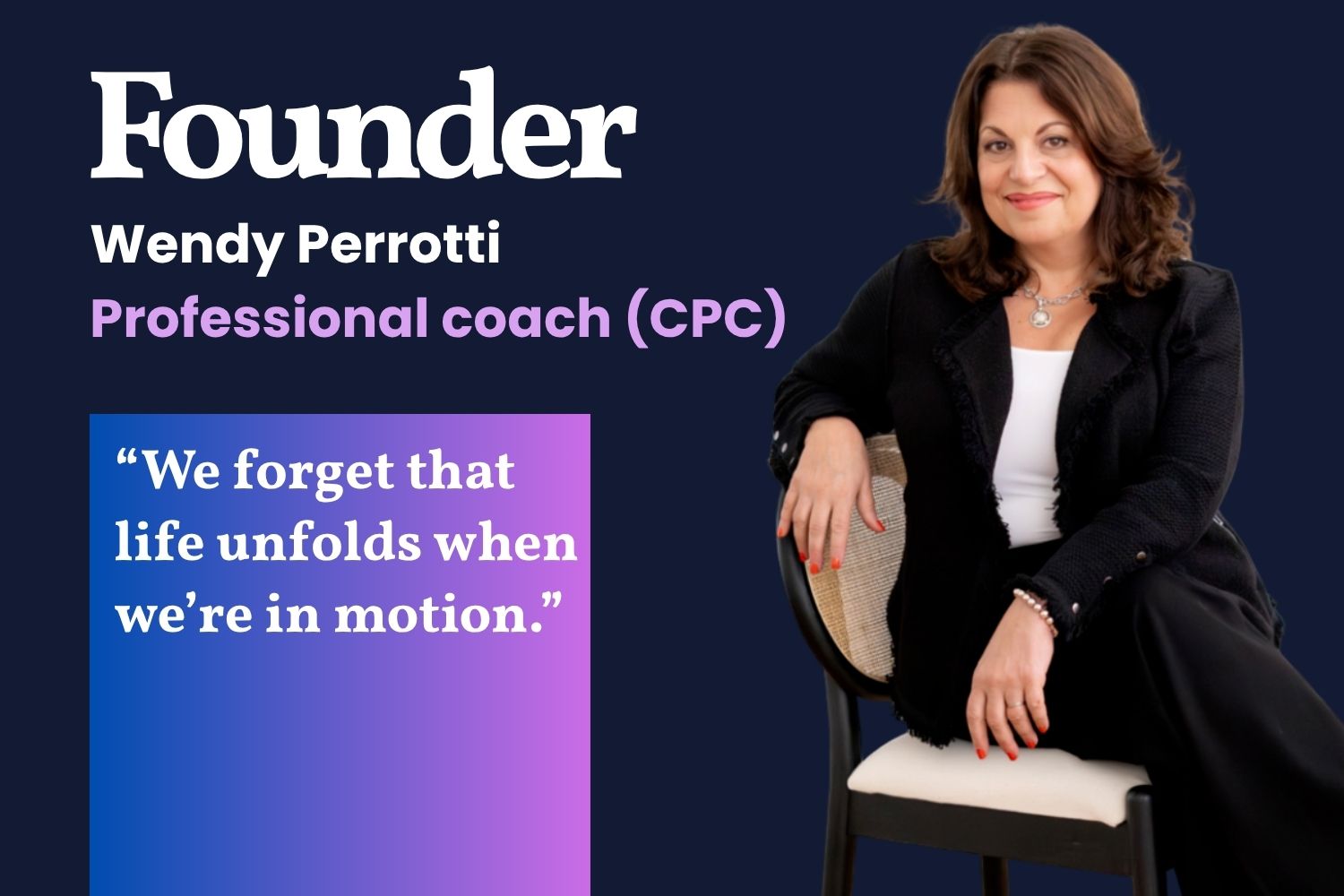
Work with a speaking coach like Alicia Dara, do improv comedy, or simply practice having conversations where you’re focused entirely on understanding the other person — not preparing your response. In other words, listen.
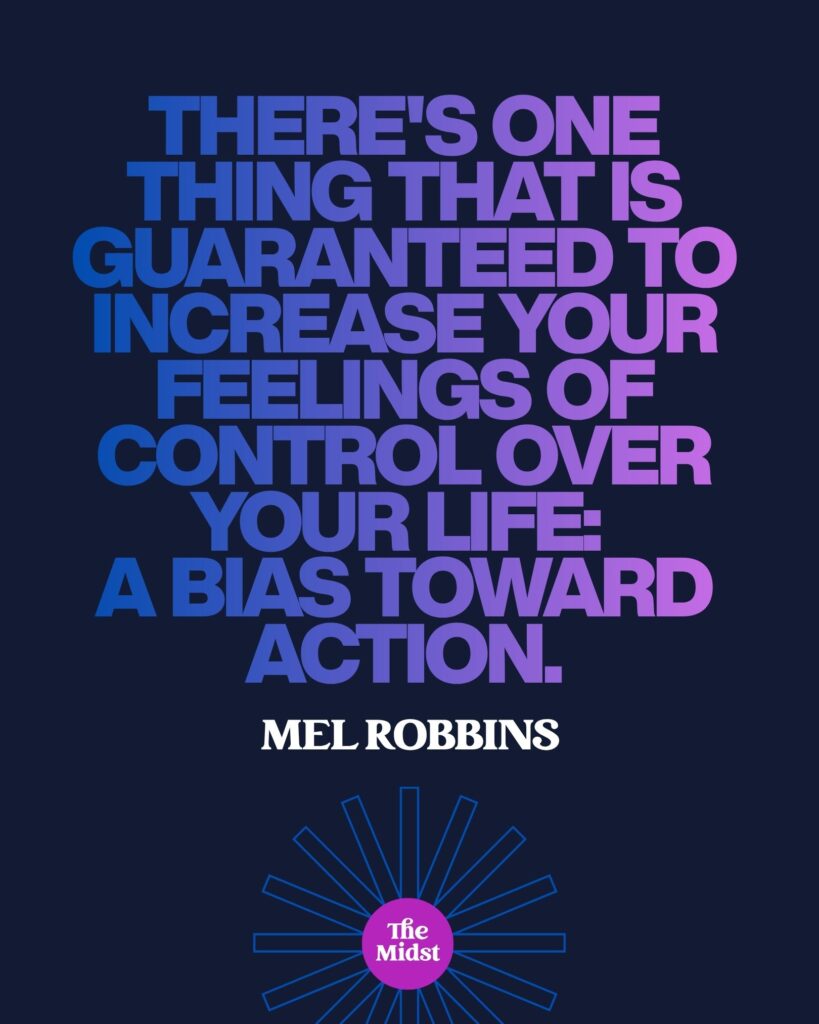
4. Bias toward action — shipping before you’re ready
One of the most significant things AI has done is reduce the cost of testing ideas. You can build a landing page in an hour, draft a positioning strategy in 20 minutes, and research a market in an afternoon.
The bottleneck is no longer information or execution speed — it’s the courage to act on imperfect data. Entrepreneurs who build the habit of moving before they feel fully ready will likely outlearn those who wait for certainty. This is an oldie but a goodie — meaning even before AI, entrepreneurial people learned quickly by shipping earlier rather than later.
The skill here isn’t recklessness. It’s calibrated urgency — understanding that the information gained from a real action in the world is nearly always worth more than the information gained from more research.
If that weren’t enough, take it from Susan Wojcicki, former CEO of Youtube: “Life doesn’t always present you with the perfect opportunity at the perfect time. Opportunities come when you least expect them, or when you’re not ready for them. Rarely are opportunities presented to you in the perfect way, in a nice little box with a yellow bow on top. Opportunities, the good ones, they’re messy and confusing and hard to recognize. They’re risky. They challenge you.”
How to be action-oriented
Any idea you want to pursue must have a real-world test within 72 hours. Not a full launch — a conversation, a mock-up, a post, a one-question survey. Anything that gets it out of your head.
5. Resilience and emotional self-regulation
Entrepreneurship and career pivots can be liberating but also emotionally taxing. I know first hand from doing both that you face rejection, uncertainty, money stress, imposter syndrome, and stretches where nothing seems to work.
AI can handle many of the cognitive loads of building a business, but it cannot carry the emotional ones. The entrepreneurs and career-changers who succeed long-term are those who have developed the capacity to stay functional under pressure — not by suppressing emotion, but by processing it quickly and returning to action when you’re ready. This is not about grinding your way to burnout, but it is about evolving with the ups and downs of business.
How to build resilience
Build a physical and mental recovery practice before you need it — exercise, journaling, a regular check-in with a mentor or peer group. For me, it’s “walking out the stress” and thinking about how rejection could steer me in a better direction. Resilience is trained infrastructure, not a personality trait.
6. Trust architecture — building relationships that compound
So much in business flows through trust: hiring, partnerships, sales, fundraising, and referrals. AI has made the mechanics of networking — finding contacts, drafting outreach, scheduling meetings — faster. But it has not made the relationships themselves any easier to build. In fact, as inbound communication becomes increasingly automated, the signal of genuine human connection has become more valuable. We love that.
The most durable entrepreneurial asset you can build is a network of people who trust you deeply and are willing to advocate for you, introduce you, or bet on you with their own resources.
How to build trust
Shift from transactional networking to genuine service. Before each interaction, ask: what can I give here, with no expectation of return? Follow up when you say you will. Be the person who remembers details and checks in without needing anything.
7. Customer obsession
AI can’t replace the insight gained from sitting across from a real customer, watching their face as they react to your product, and listening to the hesitations they almost don’t voice. Customer obsession — the relentless, direct gathering of real-world signal from the people you’re trying to serve — remains one of the highest-leverage skills in entrepreneurship. The data AI analyzes is always historical. The conversations you have this week are current.
Melanie Perkins, co-Founder and CEO of Canva, is particularly good at understanding customers’ needs. “Solve customer problems and make sure that the customer is representative of a large market and then you will have a pretty good formula,” she says.
How to build customer obsession
Speak with people in your target market often — not to pitch them but to understand them. Use AI to help prepare your questions and if it feels OK to do so, use AI to record the conversation and give you a transcript afterward.
8. Financial fluency — reading the story in the numbers
You don’t need to be an accountant. You do need to understand cash flow, margin, burn rate, and the basic relationship between your business model and your financial outcomes. AI can produce financial models quickly — but it cannot tell you whether your assumptions are grounded in reality, whether your pricing is strategically right, or whether the trend you’re looking at is a signal or noise. That judgment requires financial fluency.
How to build financial fluency
Use AI to generate financial models and then interrogate every assumption out loud. Ask “why?” for each number. Over time, you’ll develop an intuition for what the numbers are saying about the underlying health of a business.
9. Ethical clarity — deciding who you want to be
AI has introduced new and serious ethical questions into business: about transparency, data privacy, job displacement, bias in automated decisions, and the line between personalization and manipulation. Entrepreneurs who lead with ethical clarity — who have thought hard about these questions before they become urgent crises — will build more durable businesses and more sustainable careers. They’ll also attract better partners, employees, and customers.
This is not a soft skill. It’s a strategic advantage in a world where trust is scarce and the cost of ethical failure is higher than ever.
How to build ethical clarity
Write down your non-negotiable principles before you need them. What would you refuse to do even if it cost you a major deal? What would you disclose even if you weren’t required to? Clarity in advance is far easier than clarity under pressure.

Reskilling or upskilling from where you are
Whether you’re trying to get a new job, keep the one you have, or launch a business, the question is the same: how do you develop entrepreneurial skills without going back to school or spending years in a program that wasn’t designed for the world we’re living in now?
I’m a believer in starting where you are and thinking about new experiences as experiments. Most of the skills above are developed through practice in real contexts, not through coursework. Here’s a structured path:
If you’re looking for a new job or want to change careers
- Identify three industries or roles you’re curious about and interview 2–3 people in each. You’ll not only learn something new, but you’ll build customer-obsession habits and your trust network.
- Build a small public project that demonstrates one of your developing skills — a Substack or newsletter, a case study, a prototype, a short course. This is more compelling to employers than any credential.
- Find a mastermind group or peer accountability circle in your target field. The feedback loop accelerates everything.
If you’re starting or growing a business
- Start your friction journal today and commit to 30 days of observations before settling on a direction.
- Use AI to compress your research and first drafts, then spend the time you’ve saved on direct customer conversations — the irreplaceable high-signal work.
- Pick one AI tool per week to explore for a specific business task. Build fluency through repeated use in context, not tutorials.
- Map your current network by trust level. Invest in deepening the top 10 relationships rather than broadening to 100 shallow ones.
What AI genuinely can’t replace
It’s worth being specific about this, because a lot of AI discourse swings between panic (“AI will take all the jobs”) and dismissal (“AI is just a tool”). Neither framing is useful if you’re trying to build a career or business right now.
AI is great at pattern-matching on existing information. But it’s not so good at operating in genuinely novel situations where there’s no prior pattern to follow — which is exactly the situation entrepreneurs face constantly. Always has, always will. For example, AI cannot form a real relationship with a customer. It cannot make a judgment call that weighs messy human factors in real time. Artificial intelligence cannot lead a team through a crisis by being present and trustworthy. It cannot decide who you should be.
For the foreseeable future, the skills that are safest from AI displacement are the ones that depend on physical presence, emotional intelligence, long-term trust, ethical judgment, and the ability to operate confidently in ambiguity. These are the entrepreneurial skills worth developing.

Are you going to the AI Advantage Summit?
Let’s learn about AI with Tony Robbins, Dean Graziosi, and leading AI experts
Apply for The Midst Mastermind group
By Amy Cuevas Schroeder
Interesting things happen when you’re early to market.
In our case, we were early to perimenopause awareness and midlife empowerment — before it was a movement or a market valued at $24 billion.
When you’re early, you have ample time to incubate. To identify gaps, listen to hundreds of stories about the modern midlife experience, meet movers and shakers, experiment, and learn from other pioneers’ triumphs and tribulations.