

Insomnia in perimenopause? How to manage trouble sleeping when you’re nearing The Change
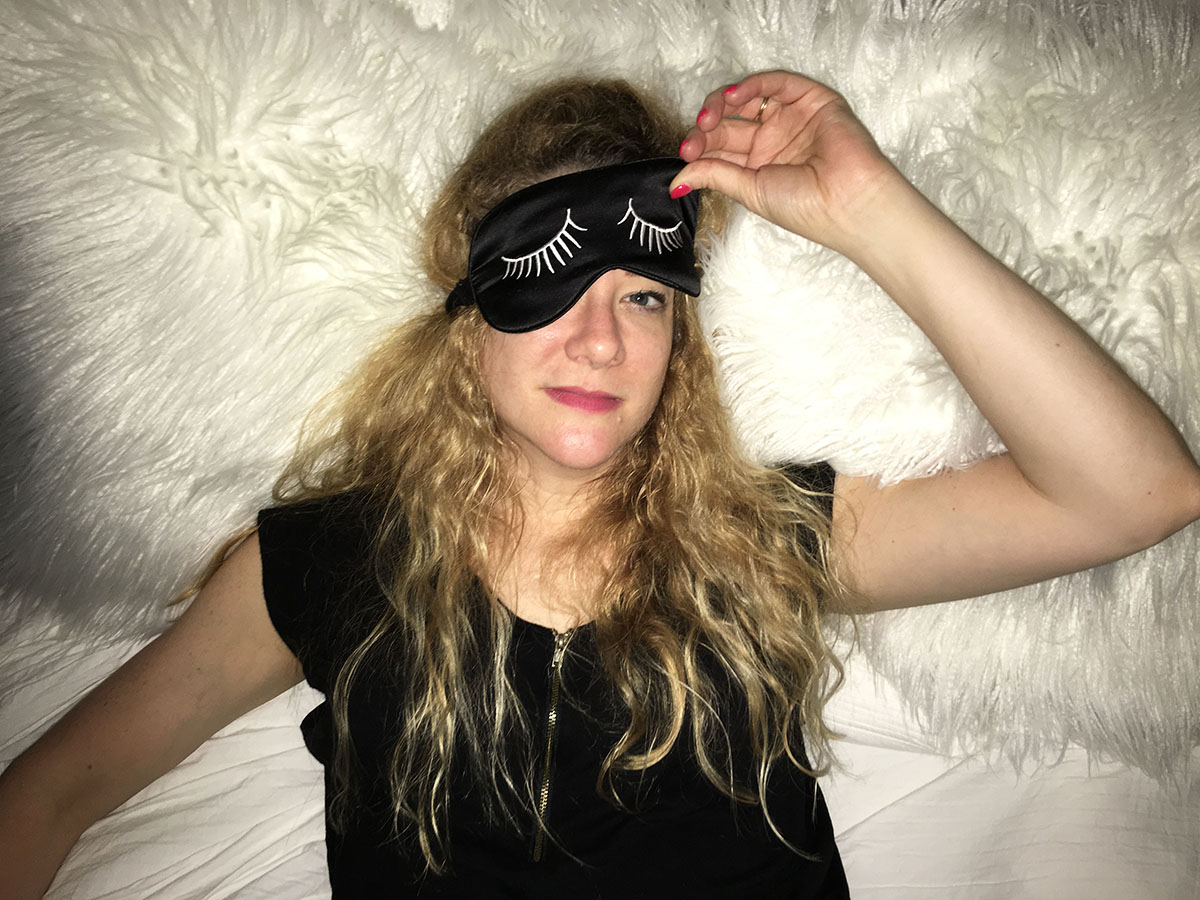
When the alarm sounded at 6 am, I woke up damp and chilly, my nightshirt slicked to my sides. When I came to, I did a mental recap of the night before. I’d fallen asleep at 9:30 pm, after my nightly regimen: melatonin and an over-the-counter sleep aid. Plus, my two favorite parts: “Vitamin D candy” and Oikos Triple Zero yogurt to hopefully prevent carb cravings in the middle of the night.
I had woken once, at about 2:30 am, likely because I needed to pee but also likely because it’s uncomfortable when you sweat through the sheets. After going to the bathroom and changing my soaked PJs, I lay back down and scooched my way over to a drier spot in the bed. I told myself, “You have to get up in three and a half hours. Do not look at your phone, and do not give in to the cereal box calling your name from the kitchen. You got this.” Although I usually don’t got this, on this particular night, my self-talk actually worked and I zonked out in a matter of minutes. Most nights you’ll find me lying awake in bed in the wee hours for at least 10 minutes and then I pay the kitchen a visit for a post-midnight snack and Medium reading sesh.
As a perimenopausal woman, for me, this was a pretty good night — better than most in the past two years. Pre-perimenopause, I prided myself in being a champion sleeper, so you’d think that when restless, sweaty insomnia creeped into my life at age 39-40-ish, I would have quickly figured out that “something’s up with my body and it’s prolly related to aging,” but I didn’t. I initially wrote it off as a natural aftermath of having twins. At the onset, I thought, “I’m probably just sweating out extra fluids that had built up in my cells during pregnancy” or “I’ve really got to cut down on sodium and caffeine.” … But, like, even a year after having the babies? Hrm.
As usual, I digress. That’s what I do before I get to the point, which is:
How can we perimenopausal women get a quality night’s sleep?
In my opinion, part of the answer is: Create a nightly regimen that works for you, keeping in mind that what you do during the day also affects your quality of sleep. I contacted an expert — Dr. R. Levy Gantt, DO, OB/GYN, at Premier OBGYN Napa in Napa, California — to see if I’m on track. I was happy to learn that her approach is to treat the whole person as a unique individual — not just treat perimenopause as a one-size-fits-all situation. “I manage women in perimenopause and menopause every day,” she says. “It’s a real specialty and one that is much-needed as many women feel they have no one to evaluate their specific problems in this specific phase of their life.”
Insomnia is the number-one complaint she hears from perimenopausal women. “They have trouble falling asleep or staying asleep. They wake either sweaty or anxious and cannot get back to sleep,” she says.
Causes of perimenopausal symptoms
Dr. Levy Gantt says that it seems that most of the bothersome, sometimes distressing symptoms that occur in the perimenopausal years are caused by an imbalance in hormones. “Ovaries are still making estrogen; although, in spurts, not with consistency. And not much progesterone — which comes from ovulation and which the over-40 are not doing with much regularity. As a result, there are periodic hot flashes, night sweats, insomnia, irritability, and low energy, specifically due to the ‘too much of one-not-enough-of-the-other’ phenomenon.”
I know, it’s kinda depressing to read about the onslaught of potential symptoms, but I now find comfort in realizing that I’m not alone. Millions of women are going through this, so let’s move on to what we can do about it.
3 tips for treating insomnia in perimenopausal women
1. See a doctor — ideally, a menopause specialist
This may be the tricky part, depending on where you live. There are fewer than 2,000 menopause specialists in North America, and you can find one here in the Menopause Society database.
When I originally wrote this article in 2019, there were no peri/menopause platforms like Winona. Now there are a number of online platforms including Midi Health and Alloy, which we recommend.
2. Don’t just treat your symptoms — treat your “whole person”
To treat insomnia in perimenopausal women, Dr. Levy Gantt says it’s important to take a step back and asses your overall health and wellness. “It’s hard for me to answer questions about treating this population without stating how important cardiovascular exercise, stress management, and relaxation techniques are to add to a ‘whole person program’ of feeling better and living better in this uncomfortable and sometimes irritable period of time,” she says. “I never treat symptoms with one thing, to the exclusion of others.”
3. Ask your doctor if hormone therapy is right for you
If a patient has trouble falling asleep, Dr. Levy Gantt sometimes replaces the progesterone in a nightly dose before bed, and that usually helps with falling asleep. She also recommends melatonin up to 4 or 5 mg about 30 minutes before sleep. “If you wake up sweating, it’s usually a sign that your Estrogen levels are dropping, and if it happens only at certain times of the month (i.e., the week to 10 days prior to a period), one idea is to use estrogen, in a transdermal preparation (gel, cream, lotion such as Estrogel or Divigel) rubbed onto the skin right before bed,” she says.
Dr. Levy Gantt adds that if a patient is still getting periods with any regularity, she only replaces the estrogen in the 10 days or so prior to the period, because, she says, “when estrogen drops enough to cause night sweats, it usually happens in that part of the cycle.” If a patient is no longer menstruating, they can replace the estrogen daily, as long as they are taking progesterone along with it.
The side effects of hormones
Replacing missing estrogen that’s in the same formulation as what is or was being made by the ovaries should have no side effects, says Dr. Levy Gantt, but potential side effects differ from person to person. Adding estrogen should relieve the symptoms that perimenopausal women experience from lack of estrogen. “If a patient gets a side effect—and the only ones I’ve seen have been breast tenderness, bleeding, or headaches—means she’s taking too much,” Dr Levy Gantt says. In this case, the patient should drop the dose and follow up with her healthcare provider.
Taking progesterone to replace missing progesterone should relieve those “missing progesterone” symptoms, like insomnia, bloatedness, and lack of energy. If you take progesterone at night and get sleepy—and sleep better—that’s not really a side effect; it’s a desired effect. Most side effects can be managed by switching doses, or switching types of the hormones.
P.S. What about sugar cravings?
Thanks to Dr. Levy Gantt, I learned that craving sugar is not really a sign of perimenopause; instead, it’s likely more of a reflection of the type of diet someone follows during the day. “When I treat patients, especially in perimenopause and menopause, healthy diet and exercise are almost at the top of the list in relieving symptoms,” she says. “These are times when metabolism necessarily slows down, and a high-carb or high-processed food diet will greatly add to feelings of fatigue, irritability, and mood swings.” Dr. Levy Gantt is a firm believer in a plant-based diet, with minimal animal products and minimal to no dairy. “I have almost never seen someone have sugar cravings if they faithfully follow this type of healthy eating.”
New to perimenopause? Read our Empowering Guide to Everything You Need to Know about this under-understood phase of life.




Sorry, the comment form is closed at this time.
Robyn
Night sweats- check
insomnia- check
skipping periods- check
I love that you are doing this.
I have also had an issue with controlling my anger.
My OBGYN suggested Lexipro might help. Taking a super low dose and it has helped me find a bit of balance and patience. No relief for the night sweats- progesterone is next.