
How to manage perimenopause hair loss and its emotional fallout
For most of my life, my hair was my thing. When no clothes fit or my makeup wasn’t right, my hair always pulled me through.
As a recent widow going through monumental changes in midlife, the physical manifestations of my trauma shook me. I was finding excessive amounts of hair on my brush, all over my clothes, and even in the lint trap of the dryer.
The thinning was especially pronounced at my hairline, part, and crown. Of all the things on my list of worries, hair loss was never something I anticipated at 52. But I tried to interpret hair loss as an opportunity for self-care — my body was telling me something I needed to hear.
Does perimenopause cause hair loss?
Yes, hair loss and hair thinning is one of the 34 most common symptoms of perimenopause, due to decline in estrogen and progesterone, according to the National Library of Medicine. But I didn’t know that before seeing three dermatologists. I finally found a doctor who really listened to me — she understood the delicate nature of hair loss and all the psychological stress that accompanies it.
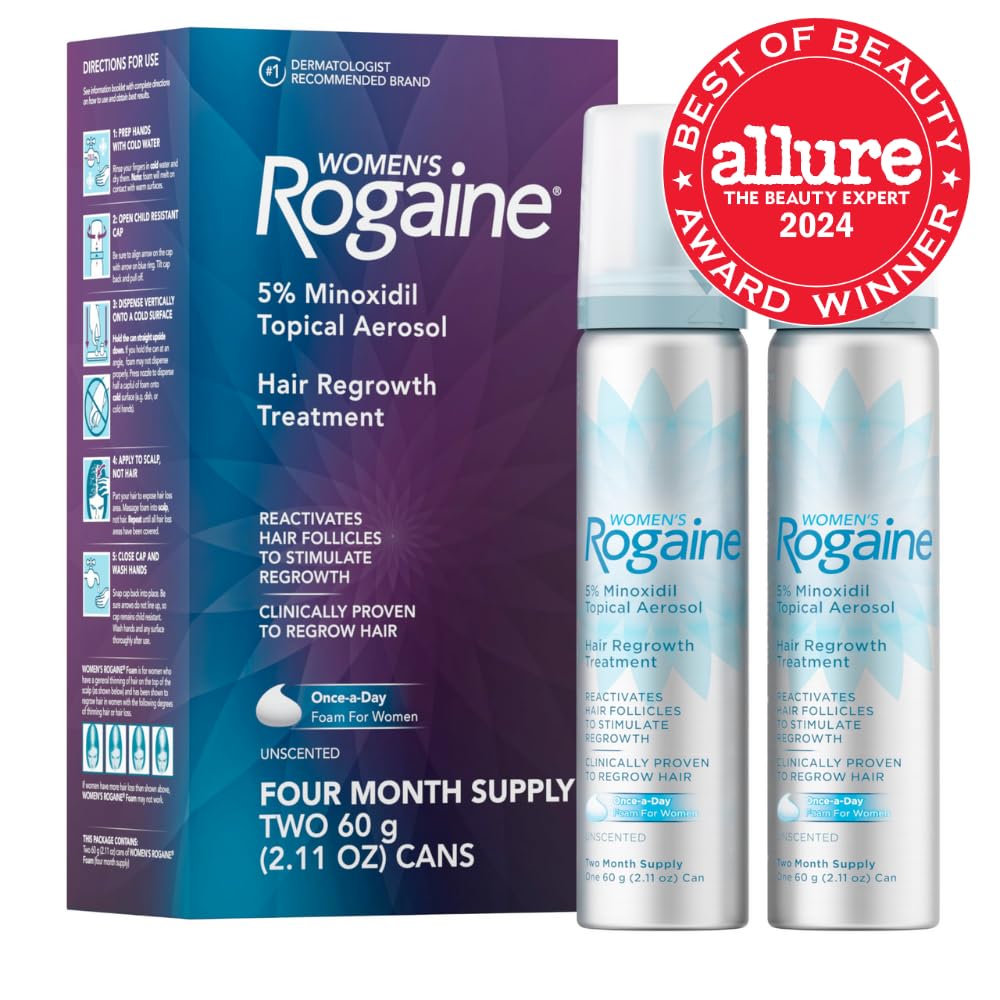
My dermatologist explained that I have telogen effluvium — a reversible condition that causes hair to fall out after a stressful experience. She advised me to ramp up my daily protein and use a topical treatment for hair loss twice a day. This was definitely not what I wanted to hear with my lifestyle – I sat in her office with a fresh blowout! But we settled on minoxidil — what you might know as “Rogaine” — for my daily solution.
She also sent me home with a prescription for spironolactone, a common high blood-pressure treatment that has shown significant results in arresting hair loss. Spironolactone is not FDA-approved for hair loss, so dermatologists prescribe it off-label.
Are perimenopause hair loss and stress-related hair loss the same thing?
No, perimenopause hair loss and stress-related hair loss are not the same thing, though they share the same underlying cause: telogen effluvium, which is excessive hair shedding triggered by a significant physical or psychological event. The difference lies in the root cause: perimenopause hair loss is caused by hormonal shifts during the transition to menopause, while stress hair loss is a response to intense emotional or physical stress. I experienced both.
5 tips for treating perimenopause hair loss
1. Shampoo less and switch to sulfate-free shampoo
Sulfate-free shampoos are less drying and gentler than many other shampoos.
2. Use a deep conditioner
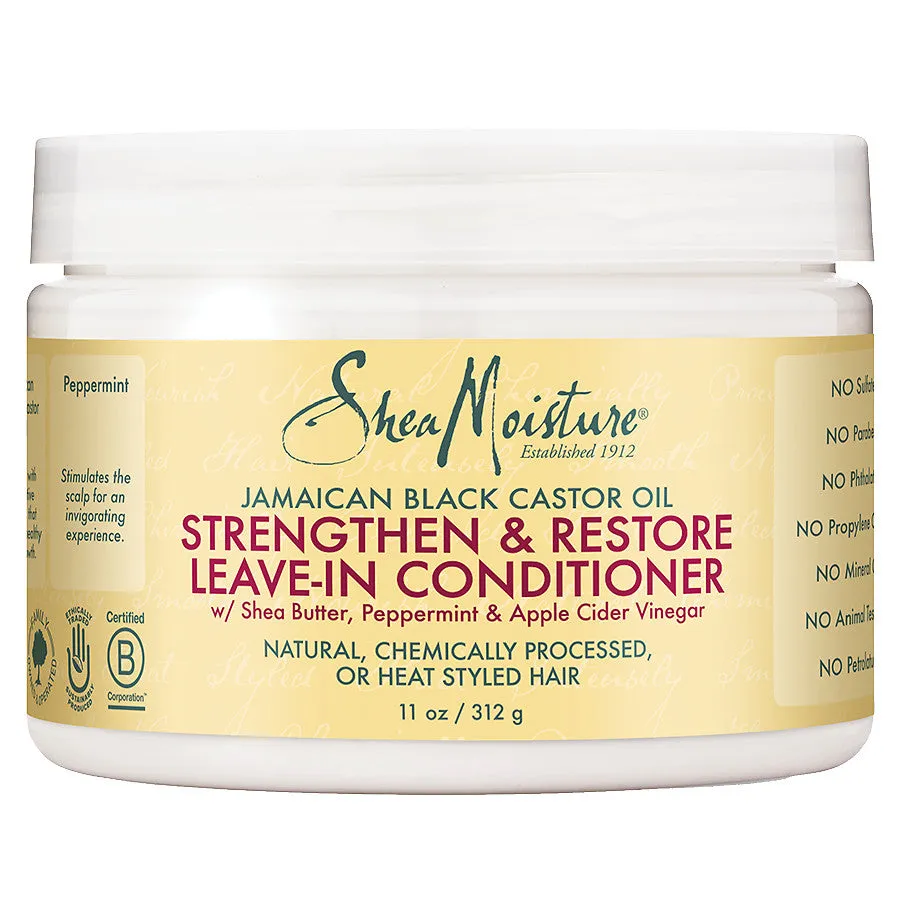
Deep conditioners are meant to stay on your hair longer than regular conditioner and helps decrease dull, dry hair texture. I like Shea Moisture’s premium products with shea butter and coconut oil.
3. De-stress your hair
Reduce exposure of your hair to excess heat, harsh chemicals, and excess pulling. Take a break from hair dryers if they bother your scalp. For many women, using a hair dryer is OK, but if it bothers your scalp, allow your hair to air dry instead.
4. Talk with a menopause specialist about hormone therapy
Hormone therapy, specifically estrogen and progesterone, can potentially help women with hair loss during perimenopause by helping hair stay in the growth phase longer and restoring the estrogen-to-androgen ratio, which can slow follicular miniaturization. While not a primary treatment for hair loss, HRT may be considered if hair loss is one of several symptoms you’re experiencing during the menopause transition.
Learn more about hormone therapy here.
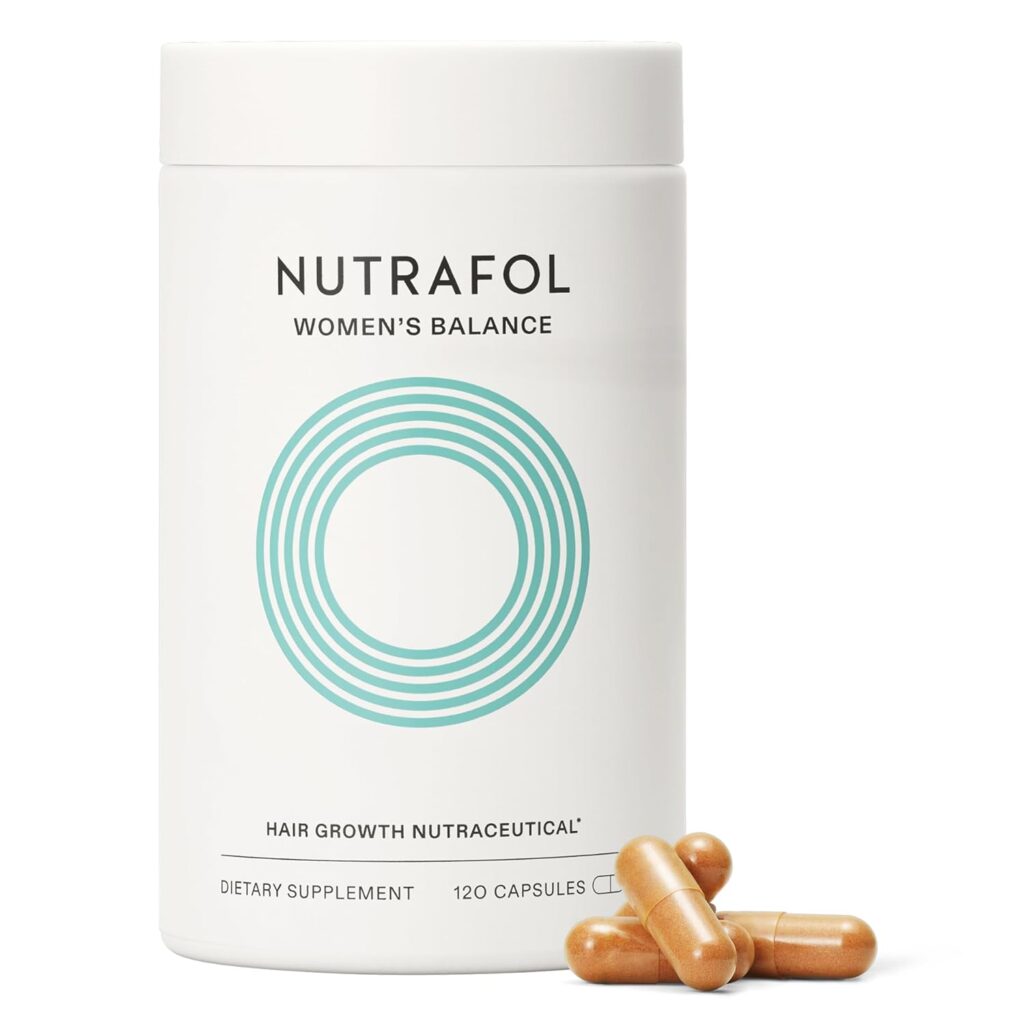
5. Try a supplement to support hair growth
While supplements aren’t a guaranteed fix for hair loss, I like Nutrafol Women’s Balance Hair Growth Supplements, which can improve hair growth for women 45+ by targeting the causes of thinning hair, including hormone shifts, aging, and menopausal changes. Likely the most talked-about supplement for hair loss in my circle, “93% of women felt their hair looked healthier after six months, and 100% showed improved hair growth after nine months,” according to the brand.
Vital Proteins Collagen Peptides Powder provides 20 grams of hydrolyzed collagen peptides sourced from the hides of grass-fed, pasture-raised cows. The supplement claims to promote hair growth as well as nail, skin, bone, and joint health.
It’s now been more than a year since I started treatment, and my step-heavy skincare routine now includes my scalp. It takes a few extra minutes to get out the door, but the time is well worth it. While I’m still in the thick of recovering from the loss of my husband, I’ve found that having a clear course of action to remedy hair loss alleviates my fear and I’m restoring my hair back to its former glory.
What is perimenopause? 90+ stories about the modern perimenopause experience