
The business of resilience: Inside Kaari’s mission to change osteoporosis care
On paper, fracture risk looks like a number on a DEXA scan. In real life, it looks like a woman who stops traveling because she’s afraid of falling, a grandmother who becomes afraid to pick up her grandchildren and play with them, or a yoga teacher who’s told her spine is “paper thin” and to treat daily chores as dangerous.
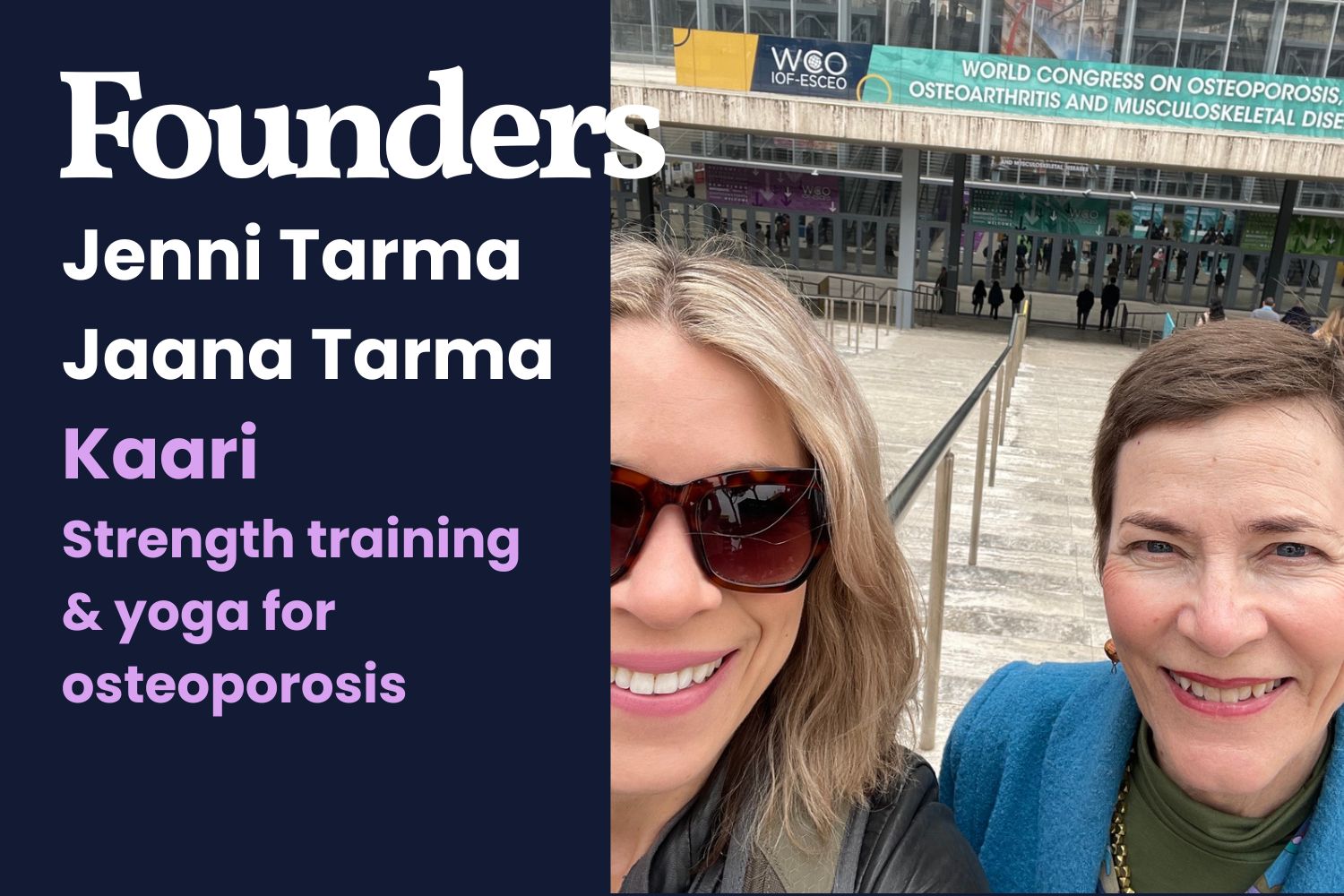
The gap between those two realities — the clinical metric and the lived experience — is where Kaari works. Founded by strength coach and sports performance specialist Jenni Tarma, Kaari translates a growing body of bone health research into evidence-based, coached, individualized strength programs that help women regain not just density, but agency in their own wellbeing.
The premise is simple: bone doesn’t respond to generic activity recommendations; it responds to specific loading, impact, and progression, delivered safely and consistently. Most women, however, are only told to “stay active” or “do some weight‑bearing exercise,” with no real roadmap for what an effective osteoporosis‑specific strength routine should look like. That gap between vague advice and precise, bone‑specific programming is huge. And in midlife, when bone loss accelerates with hormonal change, it can mean the difference between fragility and fear, versus feeling powerfully in charge of your future strength and independence.
In this interview, Jenni, Kaari’s founder and CEO, breaks down what’s actually happening inside our bodies and bones as we age, explains why waiting until 65 for a first scan misses a crucial window of opportunity, and shares how women in Kaari’s programs are reframing bone health from something frightening and invisible into a daily practice of strength and agency.
What makes Kaari different from other forms of osteoporosis treatment?
There’s no shortage of “bone-safe workouts” online, but Kaari stands apart as a fully coached, evidence-based program designed to improve bone density and support the long-term lifestyle changes required to meaningfully reduce fracture risk.
Most people are told to “stay active” or “do weight-bearing exercise” after an osteoporosis or osteopenia diagnosis. While well-intentioned, that advice is incomplete. Bone responds to very specific loading patterns, targeted exercise selection, and ongoing progression and variability. General fitness or even standard strength training isn’t enough.
The encouraging news is that there’s a strong and growing body of research showing that resistance and impact training is both safe and highly effective for improving bone health when properly programmed and coached. At Kaari, we translate that research into individualized programs tailored to each person’s starting point, ensuring both safety and meaningful progress.
We also take a more comprehensive view of fracture risk. Bone density is only part of the picture- factors like balance, posture, muscle strength and power, and even stress levels all play a role. Our approach is designed to address each of these variables, creating a more complete and effective strategy for long-term bone health.
Finally, coaching is central to what we do. Research shows that coached programs are roughly twice as effective as self-directed ones when it comes to reducing fracture risk. That’s why one-on-one guidance from BoneFit-trained osteoporosis specialists is a core part of the Kaari experience.
We’re also proud to collaborate with the Bone Health & Osteoporosis Foundation and to be a member of the International Osteoporosis Foundation, where we are currently the only exercise provider on the Committee of Corporate Advisors.
When and why did you start Kaari, and how did you land on bone health as the mission?
My background is in sports performance optimization, injury prevention, and rehabilitation — fields that all rely on a deep understanding of how the body adapts to load. Bone is no exception. It’s a living tissue that responds directly to how we use it: when it’s challenged appropriately, it becomes stronger and more resilient; when it’s under-stimulated, it becomes weaker and more fracture-prone.
What makes this especially urgent for women is the role of estrogen. As levels decline in the years surrounding menopause, bone loss accelerates significantly, which is why roughly one in three women will experience an osteoporotic fracture in their lifetime.
Once we fully grasped both the scale of the problem and how underserved midlife women are as a population, it became clear that something needed to change. Most osteoporotic women are offered a narrow path forward- typically pharmaceuticals, which often come with side effects and low long-term adherence. At the same time, there’s a growing demand for more proactive, lifestyle-based approaches, and exercise is one of the most well-supported interventions we have.
Access was another major driver. Even in my home state of North Carolina, there are no BoneFit-trained professionals and certainly no strength coaches with that specialization. For many women, finding truly qualified exercise guidance simply isn’t an option.
Kaari was built to close that gap. We created a high-touch virtual program that pairs individualized coaching from osteoporosis-trained strength specialists, with the structure and support of a group setting. That combination has been incredibly powerful —not just for physical outcomes, but for helping women feel less isolated in a diagnosis that is often experienced as both invisible and limiting.
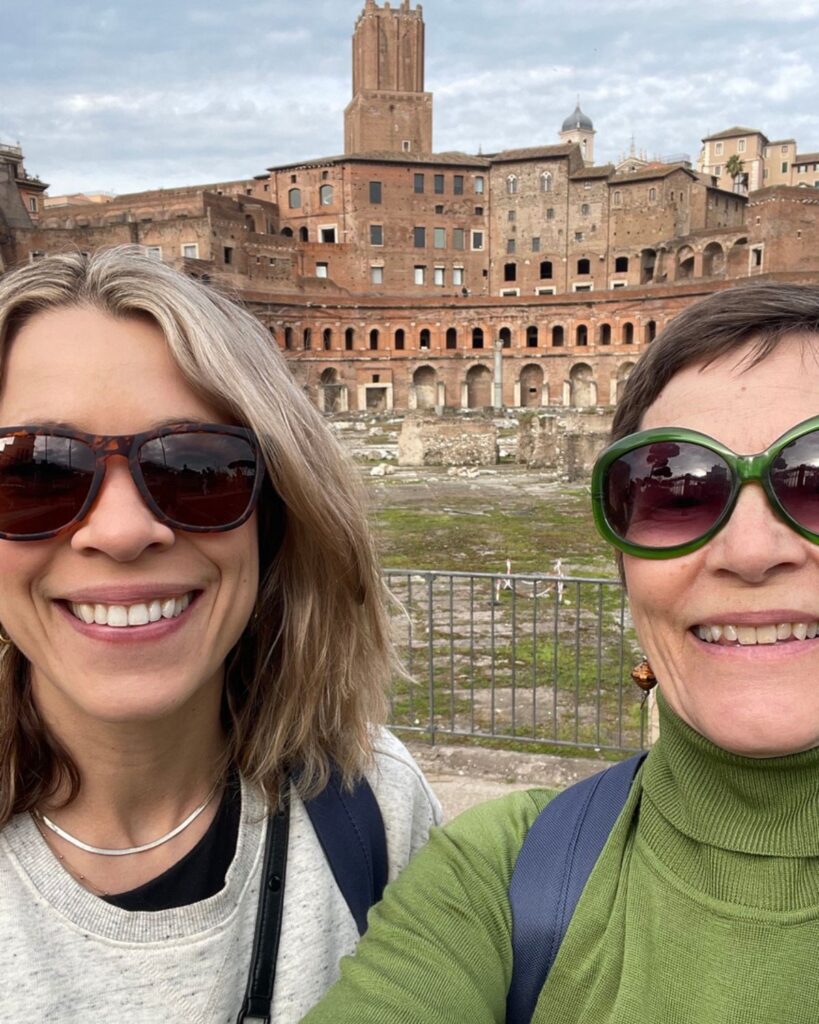
As CEO, you run the company from North Carolina. Meanwhile, your mom, Jaana, is President of Kaari and lives in London. What does your division of labor look like, in different time zones, and what’s it like building a business together?
I used to live on the West Coast, so the time difference now actually feels quite manageable by comparison! It does require some intentional coordination — there are early mornings on my end and later evenings on hers — but on the whole we’ve found a rhythm that works well.
Our division of labor is fairly clear, which makes collaboration much easier. Jaana comes from a background in service design and strategy, so she leads much of our business development and partnership work. I focus more on the content side of the business, from program development and coaching oversight to our educational content, newsletters, and public-facing webinars.
Building a company together has been a unique and genuinely rewarding experience. Like any close relationship, we’ve had our friction points over the years, but working together on Kaari has actually been a surprisingly positive way to collaborate. We’re very aligned on the mission and the standards we want to uphold, and we each bring distinct perspectives and strengths, which ultimately leads to better decisions and a stronger business.
Osteoporosis is considered “a childhood disease” because bone density starts declining around 30 and drops sharply in perimenopause. Can you walk our readers — many of whom are women in their 40s and haven’t thought about their bones at all yet — through what’s actually happening in the body, and why waiting until a doctor mentions it is too late?
This is a hugely important topic! There is currently a real push to start bone density screening earlier in life, because waiting until age 65 for a first DEXA scan can mean missing the years when bone loss is accelerating most rapidly. By that point, many people have already gone through the most significant phase of bone density decline, and they may also be dealing with normal age-related changes like arthritis, joint replacements, or general deconditioning that can make it more difficult to start an exercise routine at that stage of life.
You can think of bone metabolism as being governed by two main types of cells: osteoblasts, which build new bone, and osteoclasts, which resorb old or damaged bone. Both are active all the time and are part of healthy bone turnover. But what happens in midlife, especially in the context of hormonal change, is that osteoclast activity starts to outpace osteoblast activity, which leads to a net loss of bone density.
Bone health is also shaped by what happens much earlier in life. Being active as a child, teenager, and young adult is incredibly important, because that’s when we build most of the bone density we’ll ever have — essentially the “ceiling” of how strong our bones can be. In our 30s, 40s, and 50s, we need to work consistently and deliberately to offset the faster rate of bone loss that tends to happen in those decades. And of course, it’s much easier to build strong exercise habits earlier in life than it is to start from scratch when we’re older, when the learning curve is steeper and the barriers can be higher.
In postmenopausal women, the natural progression is to lose about 2% of bone density per year. That means that at that stage of life, simply maintaining bone density is actually a huge win! It means you’re doing the right things and have likely curbed the trend of bone loss that would otherwise be happening without intervention. I think this is where it’s really important to frame things correctly, because sometimes our clients go for a follow-up scan and feel disappointed if the numbers haven’t changed much- but in reality, keeping the same score is actually a major success.
Another thing worth considering is that the benefit of exercise is not just about the scan result. It’s also about improved balance, posture, body awareness, and muscle strength — all things that not only meaningfully reduce fracture risk, but also make everyday movements easier and less risky. Our clients overwhelmingly report feeling stronger, steadier, and more capable in their daily lives, with greater confidence and less fear of injury and movement. All of that matters enormously, both because it reduces fracture risk and because it helps people stay mobile and independent for longer.
I’m 50 and my mom has Osteopenia. Do I need a DEXA scan? Insurance typically doesn’t cover a DEXA until 65, but bone loss is already happening well before then. What would you tell a woman in her 40s or early 50s who’s wondering whether to pay out of pocket for a scan now versus waiting?
I’m 44 and just had a DEXA scan that my insurance covered, and there are many ways to access one earlier if you ask for it strategically. Family history, long‑term steroid use, cancer treatment, certain thyroid conditions, early menopause, a prior low‑trauma fracture, low body weight, smoking, heavy alcohol use, rheumatoid arthritis, and digestive conditions like celiac or Crohn’s all increase osteoporosis risk and can be valid reasons for an earlier scan. Bone loss is already happening in our 40s and 50s, so waiting until 65 can mean missing a crucial window for prevention and early intervention- and many clinicians are receptive when patients proactively ask for a baseline scan with clear risk factors and long‑term bone health in mind.
Most people also don’t realize that a DEXA scan is often not that expensive out of pocket; self-pay prices commonly fall somewhere around $150 to $300, though some negotiated or cash rates can be lower depending on location and provider. So getting an early baseline scan is usually more accessible than people expect — and a worthwhile investment in your future bone health.
I didn’t know this until I discovered Kaari: Regular strength training doesn’t necessarily build bone density, because muscles and bones respond to different kinds of loading. Can you explain that distinction for women who assume “I lift weights, I’m covered”?
This is one of the most common misconceptions about strength training and bone density. We hear from a lot of new clients who are shocked by their diagnosis because they already lift weights- but the key issue is that not all lifting includes the right stimulus for bones.
Muscles and bones respond to different kinds of loading. Muscles generally respond to tensile loading, which is a pulling or lengthening force on the tissue. Think of a biceps curl: when you pick up a heavier dumbbell, the load on the tissue increases, the muscle has to generate more tension, and that is the signal that helps it get stronger and larger.
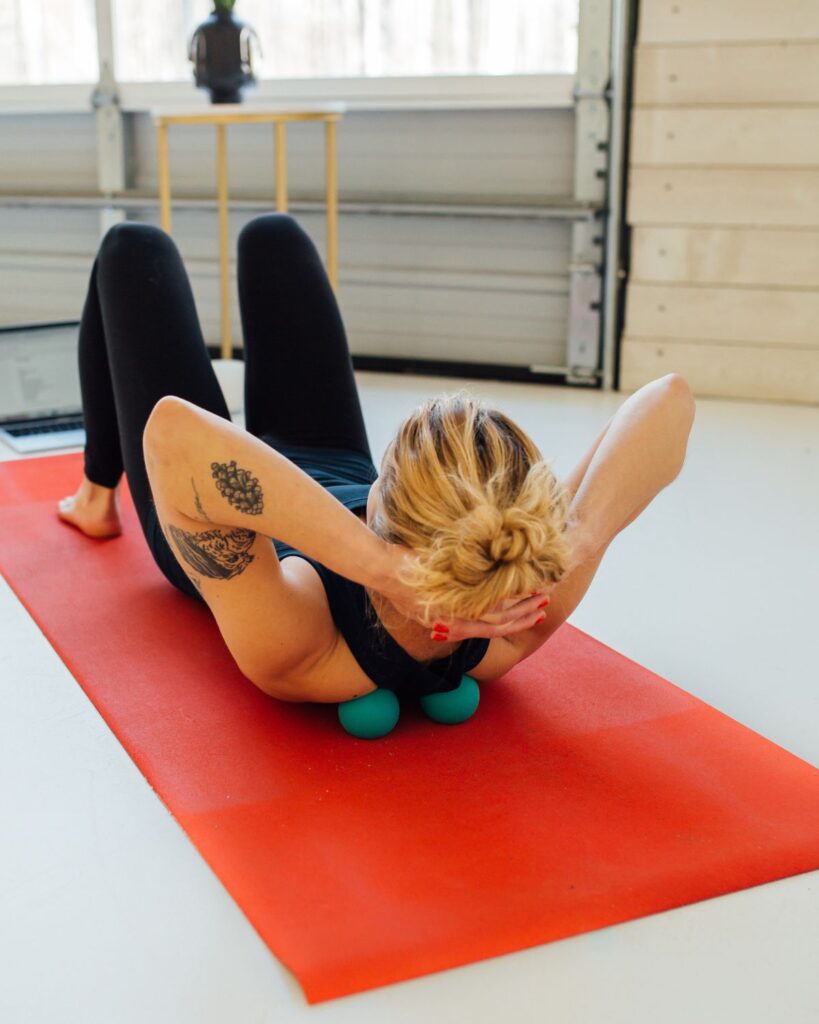
Bones, on the other hand, respond to compressive loading — a “smooshing together” action. An example would be a squat with a barbell on your shoulders, or with dumbbells held in the front rack position. That added load compresses the spine and transmits force through the pelvis and femurs, which are important areas to target because they’re common sites of bone density loss.
This type of loading is also referred to as axial loading, and is a key concept where bone density is concerned. Axial loading means the force travels top to bottom through the body, along the axis of the bones. Impact training, like hopping and jumping, can create a similar kind of bone-building stimulus. In both cases, the load also has to progress and vary over time- if you repeat the exact same exercises with the exact same weights forever, your body adapts and eventually plateaus unless a new, novel stimulus is introduced.
Another important distinction is between free weights and machines. Most gym machines do a good job of building muscle strength, but many of them don’t provide much, if any, axial loading- especially if you’re seated, supine, or prone. So while someone may be building stronger muscles, they may still be missing the specific bone-building stimulus altogether.
Clients tell you devastating stories — some are told to essentially stop living their lives after an osteoporosis diagnosis. Is there one story that’s stayed with you?
Lori Dougherty is one story that has stayed with me. When she reached out to us, she had received a devastating diagnosis of severe osteoporosis- her score was literally off the scale- and she was understandably frightened by what she was being told. She’s a yoga teacher, and her doctor told her that her spine was “paper thin” and that even everyday tasks like making the bed or loading the dishwasher were now too risky to do on her own. She felt, in her own words, like she was being “told to buy her own wheelchair and wait to die.”
What stood out most to me was her determination. Even with the fear and discouragement she had already experienced, she committed fully to the program and stayed with us through maintenance until her follow-up scan. The results were extraordinary: a 20% increase in lumbar spine bone density, a 15% increase in femoral neck density, and a 13.2% increase in total hip scores in just one year.
As remarkable as those numbers are, what I think about just as often are the smaller, early wins that happen long before a follow-up scan. Women regularly tell us that within weeks of starting our program, they feel stronger, steadier, and more confident. They’re able to carry their own groceries again, handle bags of mulch while they garden, or shovel snow without needing help- many of them are delighted to do these tasks that previously required help from their husbands! Watching that shift from fear and restriction to confidence and agency is one of the most rewarding parts of the work for our entire team.
The menopause hormone therapy landscape is a bit of a minefield right now — the shortage of Estradiol, the black box warning history, and doctors who are undertrained on nutrition and exercise. If a woman just got a scary DEXA result, what do you wish she knew before her next doctor appointment?
We hear from a lot of new clients that the most frustrating part of a scary diagnosis result is feeling like they have no agency or choices. So the first thing I’d want women to know is that education matters. The more you understand your own bone health, the better equipped you are to advocate for yourself and ask informed questions at your next appointment.
There’s been a huge surge in menopause and bone health awareness, which is a good thing, because women are increasingly expecting more individualized, well-rounded care. That pressure is helping drive change in how healthcare is delivered, including more telehealth options and more specialized support. We no longer have to accept being funneled into a one-size-fits-all treatment plan that doesn’t take your full situation into account.
I’d also encourage women to remember that they do not need to rely on just one type of intervention. There are evidence-based options across exercise, nutrition, and medication, and the right plan should reflect your risk factors, your preferences, and your overall health picture. That’s why it helps to go into an appointment informed, prepared, and ready to have a real conversation.
Some of the best places to start are the websites of the Bone Health & Osteoporosis Foundation and the International Osteoporosis Foundation. Both offer educational resources on nutrition and exercise, information about pharmaceutical options, webinars with experts, and ways to find qualified bone health professionals through the BoneFit registry.
What is Kaari Strong?
Kaari Strong is an exercise app for women in their 30s, 40s, and 50s who know they should be exercising for both muscle strength and bone density, but aren’t sure what that actually looks like in practice. You can beta-test the app here.
So many women with osteoporosis tell us they wish they had gotten guidance earlier in life about how to exercise in ways that truly preserve bone density. Others feel frustrated that they stayed active, ate well, and did “all the right things,” but still never received bone-specific exercise guidance and ended up with osteoporosis anyway.
Kaari Strong was designed to solve that problem. It gives women a structured, progressive program that supports long-term muscle strength and bone density gains, while also incorporating mobility, balance, and recovery techniques. It uses the same research-backed principles we rely on in our premium osteoporosis program, but in a format that’s more accessible for women who want a clear plan they can follow on their own.
We’re currently beta-testing the app and excited to bring it fully to market soon.
What’s been the hardest or most humbling part of building Kaari?
Building something from the ground up is humbling in itself, especially in a space where the competition includes giant pharmaceutical companies with massive marketing budgets. But just as humbling has been the amount of support we’ve received along the way — the people who have been willing to pitch in, make introductions, write a kind word, or share advice that has probably saved us hundreds of hours of trial and error.
It’s also deeply humbling to know how much trust clients place in us, especially when they’re facing a diagnosis that can feel frightening and overwhelming. That trust is something we never take for granted, and it constantly pushes us to serve them as well as we possibly can.
On a personal level, I’ve always been highly organized and very motivated, so the grind of the early startup phase suited my personality in some ways. But it’s also been a learning curve to let go of control, delegate more, and trust the team around me. If anything, that process has reinforced how strong our team really is. I’m so grateful that it’s often a “no news is good news” situation. If I don’t hear from someone, it usually means they’ve got things handled, and that is a great feeling as a founder and CEO.
If a reader takes away just one thing from this story and does it this week, what would you want that to be?
The biggest thing I want readers to remember is that they have more power than they think. Frailty and fragility are not an inevitability, and the choices we make now can have a real impact on how we feel decades from today.
So if there’s one thing to do this week, I’d encourage it to be one small, concrete step in support of your future self. That might mean booking a scan, asking more pointed questions at your doctor’s appointment, or simply starting to think about bone health as something you can control. The more we treat women’s health as something worth investing in early, the more strong, capable years we can create for ourselves.
More information about Kaari Prehab and Jenni Tarma
Jenni Tarma is a member of The Midst Founder network. Learn about benefits and how to join here.