
Feng shui interior design tips for abundance and peace of mind
As a naturally messy creative type, I’ve studied feng shui out of necessity to help refine my sometimes chaotic instincts, starting when I was a teenager. Back then, I ran a small bead-jewelry business, and beads were everywhere in my room, making it difficult to focus on schoolwork.
Now that I have my own kids and am in the midst of life, I rely on feng shui to maintain a sense of calm more than ever. I’ll take peace of mind any way I can get it, especially if it’s as simple as moving a piece of furniture to a better spot — a cornerstone concept of feng shui.
The philosophy of feng shui is about how subtle shifts in your environment can dramatically enhance your life’s abundance. When you have a balanced and supportive home and feel secure, you are relaxed and grounded, says Susan Chan, certified a feng shui consultant, in Architectural Digest. “A feng shui adjustment can be as simple as making sure your artwork is at the right height. Hang it too high and your attention, and therefore your energy, goes upward, which can leave you feeling ungrounded.”
What is feng shui and how does it help create abundance?
Feng shui is an ancient Chinese practice that beautifies your space and aligns it with the natural flow of energy to bring prosperity and harmony.
Proper feng shui is purposefully arranging the stuff around you to affect you positively, says feng shui expert Karen Rauch Carter in her book Move Your Stuff, Change Your Life. “What stuff, you ask? All stuff your worldly possessions, your desk at work, your toothbrush, your underwear. Just as that Chunky Monkey sundae affects your body when you eat it, each object you place in your living environment affects you as well. You also affect each environment you encounter.”
What are the primary principles of feng shui?
Feng shui principles can transform spaces in ways that might seem subtle but have a profound impact. Whether you’re looking to boost your creativity, attract wealth, or simply create a more harmonious living environment, feng shui offers practical and effective solutions.
By applying these feng shui principles, you can turn your home into a sanctuary that supports your goals and enhances your quality of life.
- Declutter
Clutter blocks Chi (energy), so it’s critical to clear messiness everywhere, especially entryways and under the bed, to allow good energy to circulate.
2. Clear pathways
Keep doors and hallways open and free of furniture to ensure smooth energy flow.
3. Balance the elements
Incorporate wood (plants), fire (candles), earth (rocks/ceramics), metal (fixtures), and water (fountains) in moderation for harmony.
4. Maximize light and air
Open windows and curtains to bring in fresh air and natural light, keeping spaces bright.
5. Fix anything that’s broken
Feng shui for your home office
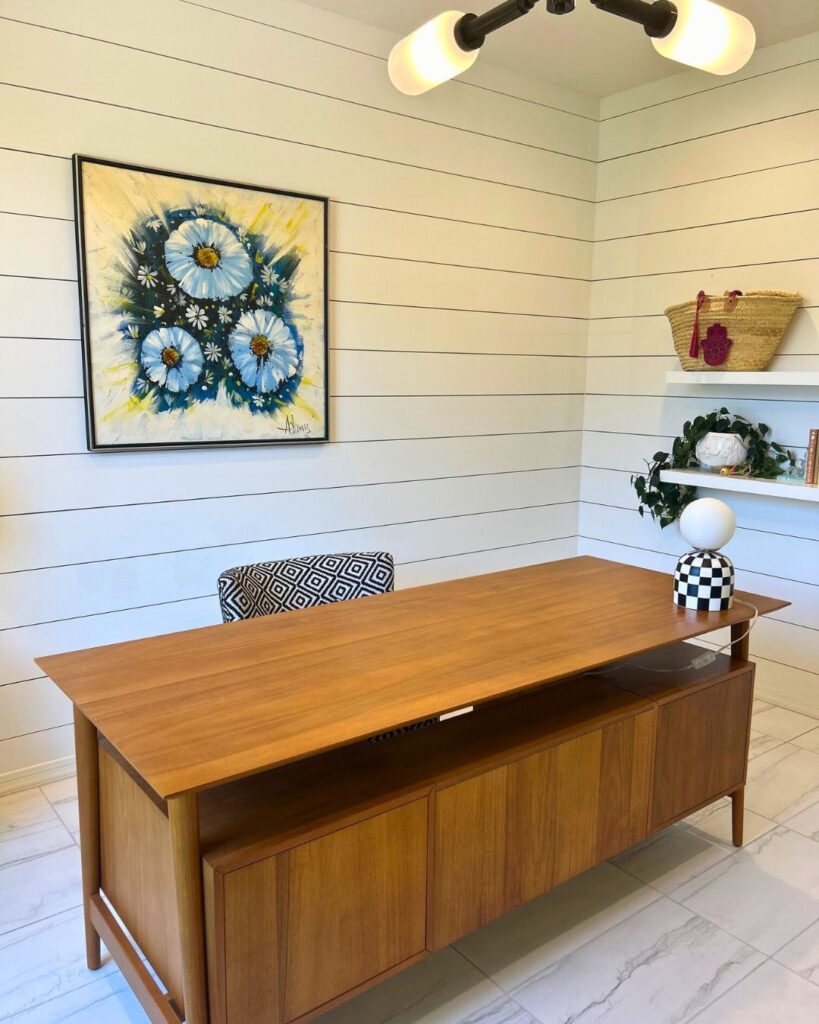
Want to make your workspace a powerhouse of productivity and creativity? Here’s how:
Position your desk to face the door
One of the most fundamental principles of feng shui and office design is the placement of your desk. This arrangement is the “command position” because it allows you to see who is entering the room, enhancing your sense of control and clarity. It also helps to reduce stress and increase your overall productivity by creating a more balanced and harmonious environment.
Kill the clutter
A clutter-free desk is another crucial element in feng shui interior design. Clutter can be a significant drain on your mental energy, leading to distractions and a lack of focus. By keeping your workspace tidy and organized, you promote clear thinking and a more efficient workflow. Consider using organizers, drawers, and shelves to keep essential items within reach but out of sight. This simple practice can make a significant difference in your ability to concentrate and stay productive throughout the day.
Plants!
Incorporating plants into your home office is a fantastic way to improve air quality and add life energy to your workspace. Plants not only purify the air but also bring a sense of vitality and freshness to the room. Choose low-maintenance plants that thrive indoors, such as snake plants or spider plants, to avoid the stress of constant care. Position them in areas that receive natural light, and consider placing a small plant on your desk for a personal touch. The presence of greenery can enhance your mood and creativity, making your home office a more enjoyable and productive space.
Cue calming colors
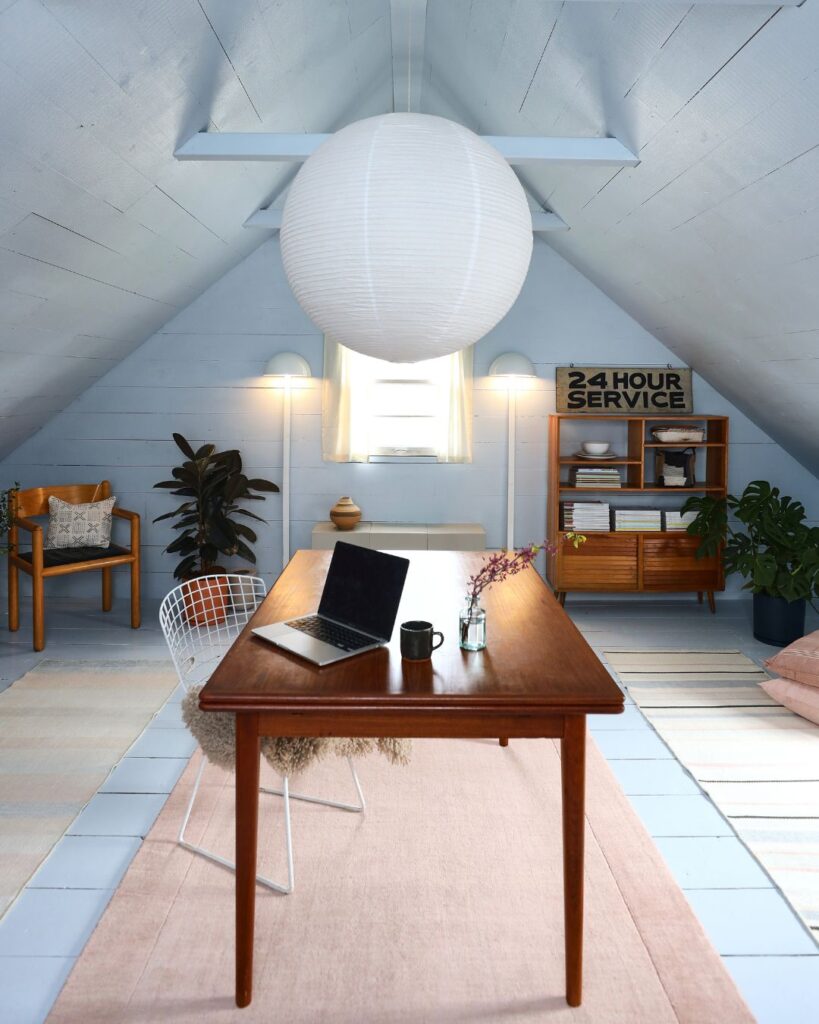
Feng shui interior design emphasizes the importance of choosing hues that foster focus and creativity. Calming colors like blue and green are particularly beneficial in a home office setting. Blue is known for its ability to promote concentration and stability, making it ideal for tasks that require deep focus.
Green is associated with growth and renewal, which can inspire creativity and innovation. Consider painting one of your walls in a soft blue or green, or adding decorative elements like cushions, rugs, or artwork in these colors to create a serene and inspiring environment.
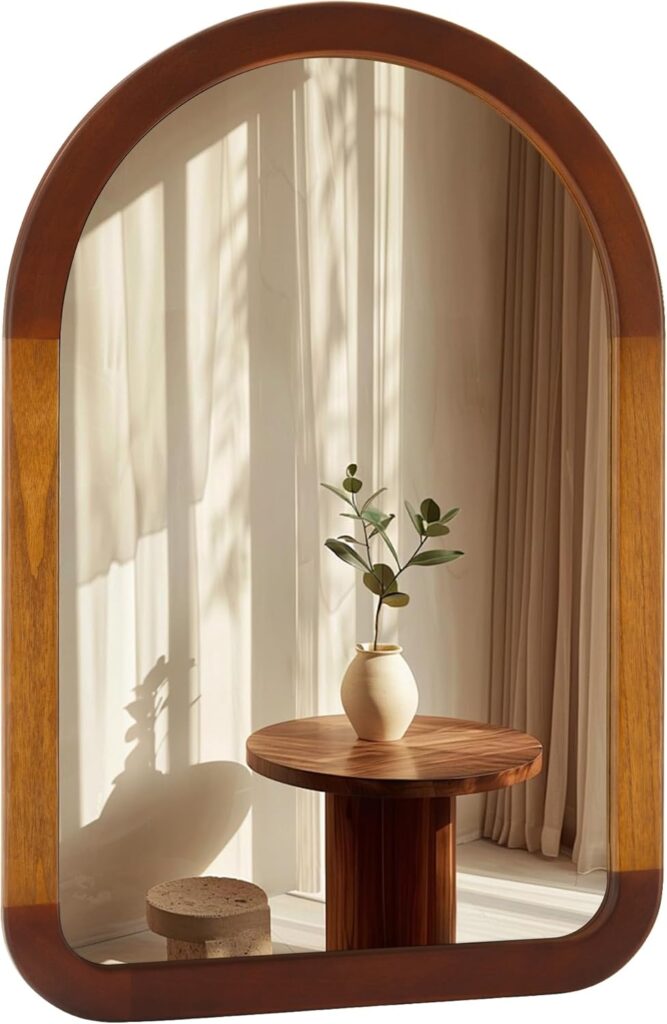
Mirror mirror on the wall
To enhance the positive energy of your home office, consider hanging a mirror. Mirrors are powerful tools in feng shui and can expand the sense of space and invite more opportunities and abundance into your life.
Place a mirror strategically so that it reflects a pleasant view, such as a window or a plant. Avoid positioning a mirror in a way that reflects the door directly, as this can create a sense of unease. A well-placed mirror can make your home office feel larger and more inviting, contributing to a more positive and productive work environment.
Feng shui for entryway
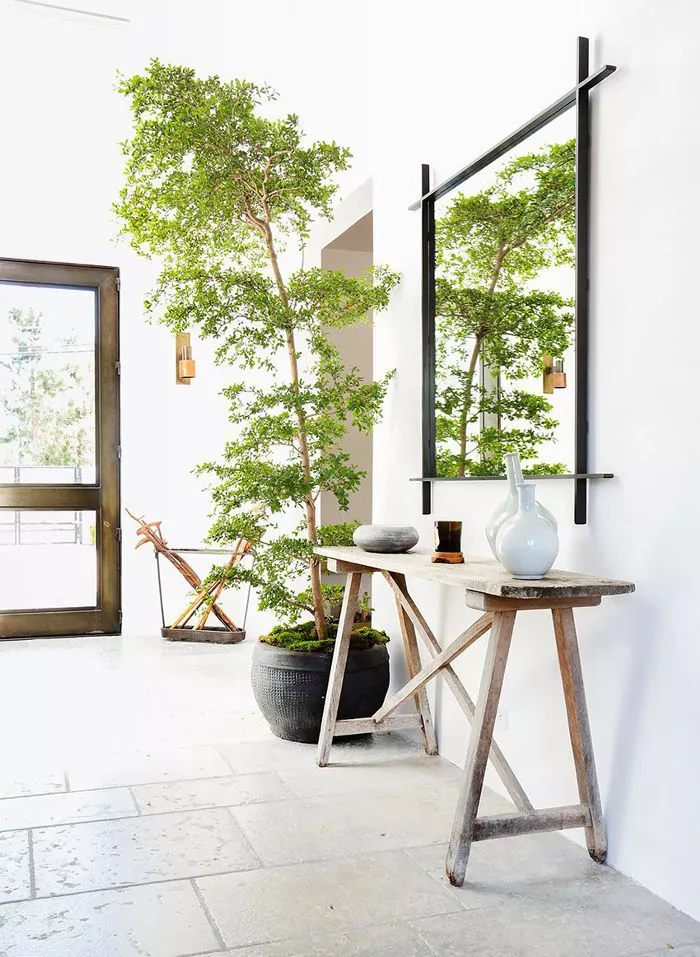
Your entryway sets the tone for the entire home. Make sure that it invites positivity and abundance with every step.

Welcoming welcome mat
A welcoming doormat is a simple yet powerful feng shui tool. It serves as a physical and symbolic threshold, inviting prosperity and good fortune. Choose a doormat with a positive message or a design that resonates with you. This small touch can have a big impact on the energy of your home. Additionally, keeping the area around the doormat clean and free of clutter is crucial. A cluttered entryway can block the flow of positive energy, so make it a habit to regularly sweep and tidy this space.
Light up your entryway
A well-lit entryway is essential in feng shui as it symbolizes clarity and the welcoming of positive energy. Natural light is ideal, but if that’s not possible, consider using warm, inviting light fixtures. Avoid harsh, fluorescent lighting, as it can create a sterile and unwelcoming atmosphere. Soft, ambient lighting can make a significant difference in how you and your guests feel as they enter your home.
Place a mirror in a positive position
Mirrors are known to reflect energy, so positioning one in the entryway can help reflect positive energy back into your living space. However, be mindful of the mirror’s placement. Ensure it reflects a beautiful and uplifting view, such as a garden, a piece of art, or a serene area of your home. Avoid placing the mirror directly opposite the front door, as this can cause energy to bounce right back out of your home.
Yep, more plants for positive vibes
Ensure entryway plants are healthy and well-cared for, as wilted or dead plants can have the opposite effect.
Pick up the shoes!
Shoe piles can disrupt the flow of positive energy. Designate a specific area for shoes, such as a shoe rack, closet, or a storage bench, and encourage family members to use it. Keeping the entryway free of clutter not only makes it more visually appealing but also ensures a clear path for positive energy to flow into your home.
A tidy and organized entryway sets the stage for a harmonious and abundant living environment.
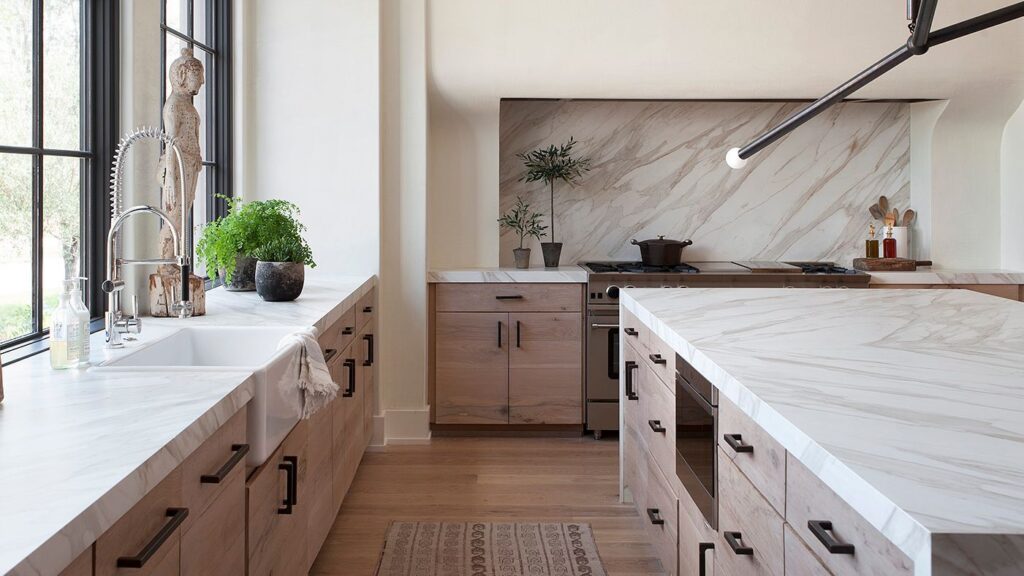
Feng shui kitchen
The kitchen is the heart of the home, and with a few strategic feng shui adjustments, you can pulsate with even more warmth and vitality. In feng shui and traditional Chinese metaphysics, the kitchen is associated with health, wealth, and family well-being. It’s where energy is transformed, much like how ingredients are transformed into nourishing meals.
Clear your counters
You knew this one was coming. Clutter-free kitchen countertops are essential for promoting smooth energy flow and maintaining good health. Clutter can obstruct the flow of chi, leading to stagnant energy and potential health issues. Regularly clear your countertops of unnecessary items, such as mail, appliances, and other clutter. This not only makes the space more functional but also creates a cleaner, more organized environment that supports a healthy lifestyle. Consider using drawer organizers, shelves, and storage solutions to keep everything in its place and out of sight.
Place the stove away from the sink if possible
Considered the heart of the kitchen, the stove is one of the most important resources as it represents nourishment, success, and igniting wealth and opportunity. Respecting the stove is an essential element in kitchen feng shui — keep it clean and working properly.
Because the stove represents fire and the sink represents water, keep them separate if you can.
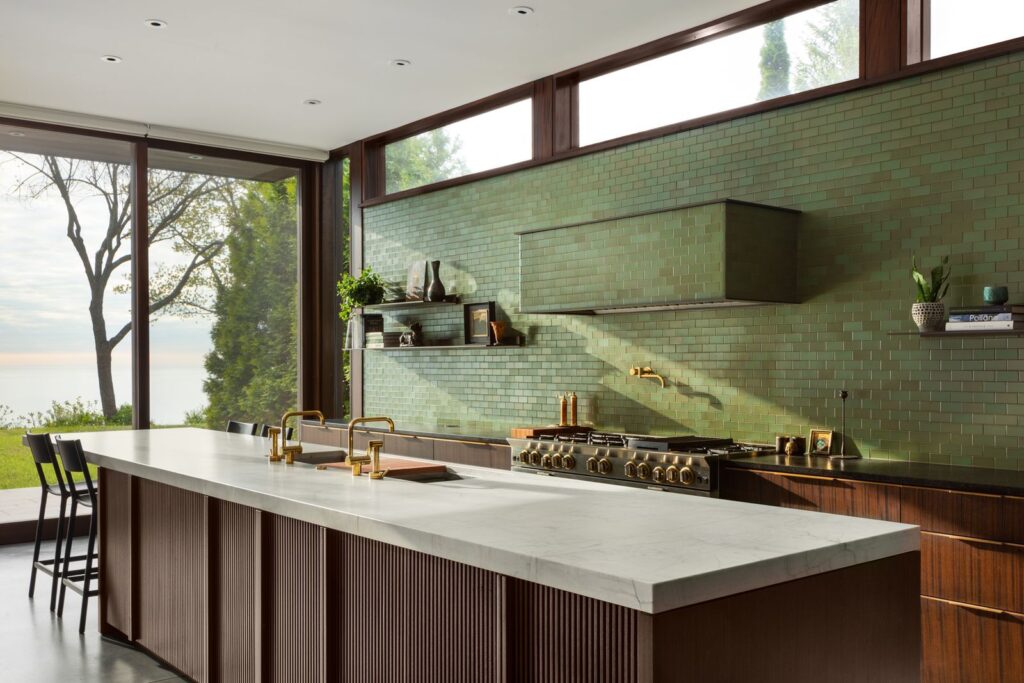
What are the best colors for a feng shui kitchen?
- Green symbolizes growth and evolution as well as stability and strength.
- Beige and white represent peace of mind and stability.
- Orange and yellow are associated with the fire element and can boost the kitchen’s energy, making it a more inviting and vibrant space.
Consider painting the walls, adding colorful accessories, or using warm-toned lighting to create a lively atmosphere. Warm colors not only make the kitchen feel more welcoming but also stimulate appetite and conversation, fostering a sense of community and togetherness.
Do away with dried flowers where you eat
Dried flowers are dead energy, and no one wants that, right? For similar reasons, avoid prickly cacti in the kitchen.
Feng shui living room
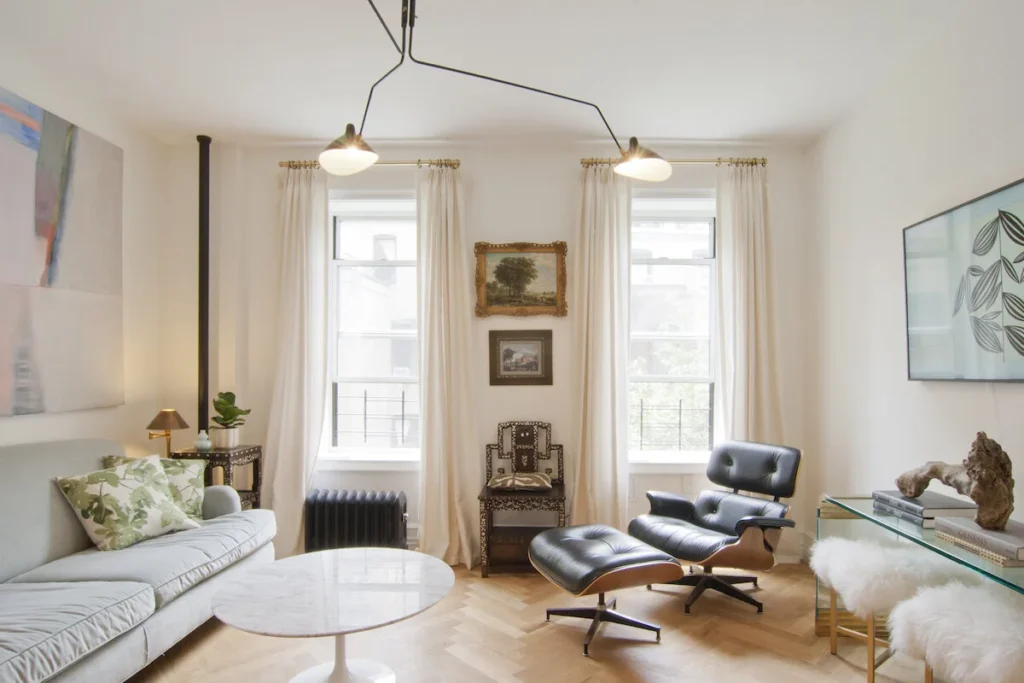
A feng shui living room isn’t just a space to relax. It’s a sanctuary that nurtures relationships and promotes well-being. The living room is often the heart of the home, where family and friends gather to connect and share. By applying feng shui interior design principles, you can transform this space into a harmonious and inviting environment that supports abundance and positive energy.
Position the couch to face the entryway
One of the most important aspects of feng shui in the living room is the placement of the sofa. Positioning the sofa to face the door enhances the flow of chi, the life force energy, and encourages open communication. This setup allows you to see who is entering the room, creating a sense of security and inviting interaction. It’s also beneficial to place the sofa against a solid wall, which provides a sense of support and stability.
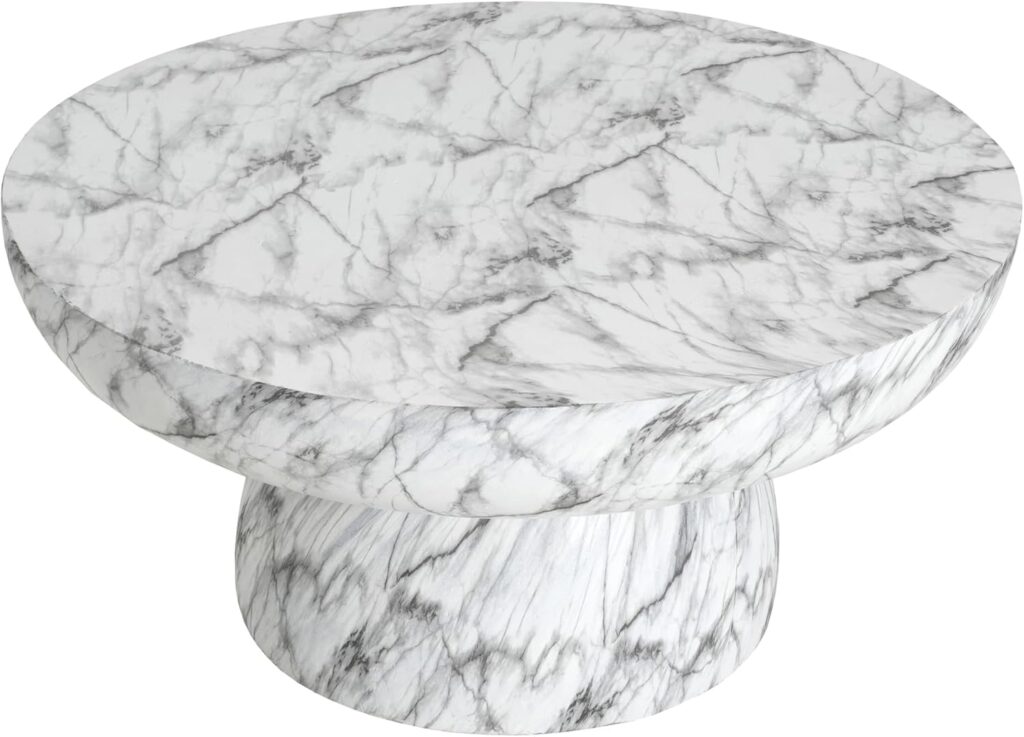
Gather ’round a round coffee table
Round coffee tables promote harmony and fluid conversation. Round shapes are associated with the element of water in feng shui, which symbolizes flow and continuity. A round table can help create a more relaxed and inclusive atmosphere, making it easier for everyone to participate in conversations and feel connected.
Reflect a pleasant view with a mirror
Mirrors are powerful tools in feng shui and can be used to reflect natural light and expand the sense of space. Placing a mirror strategically in the living room can make the area feel larger and more open. Ensure the mirror reflects a pleasant view, such as a beautiful piece of art or a window with a scenic outlook. Avoid placing mirrors directly opposite the door, as this can cause energy to flow out of the room too quickly.
Arrange seating in a circular pattern so that people can face each other
This setup encourages community and inclusion, facilitating better communication and a more intimate atmosphere. Whether you’re hosting a family gathering or a casual get-together with friends, a circular seating arrangement can help create a welcoming and engaging environment.
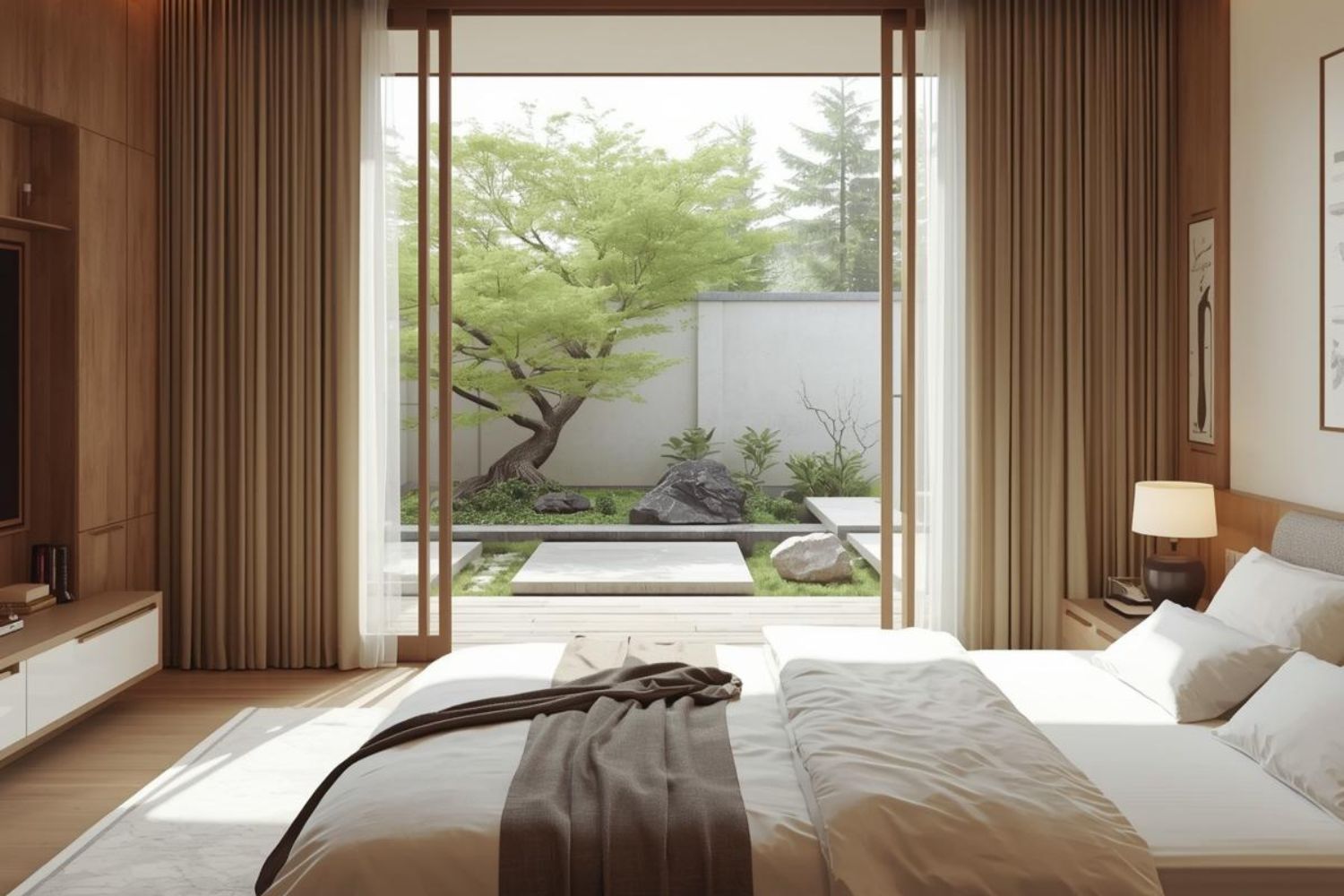
Create calm with a feng shui bedroom
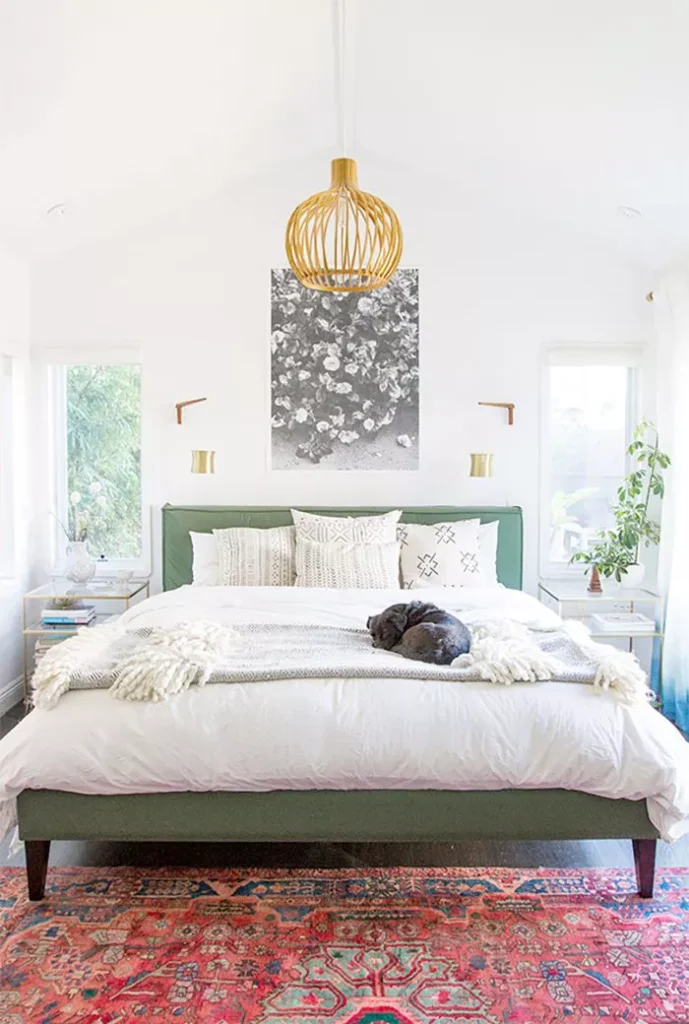
The bedroom is a sacred space where you recharge and rejuvenate, and applying feng shui principles can significantly enhance its energy.
Feng shui bed placement: Command position
One of the most critical aspects of feng shui in the bedroom is the feng shui bed placement. Position your bed in the “command position” to face the door without being directly in line with it. The command position offers a sense of security and openness, allowing you to see who enters the room while maintaining a balanced view of the space. Avoid placing the bed directly opposite the door, as this can create a feeling of vulnerability and disrupt the flow of positive energy.
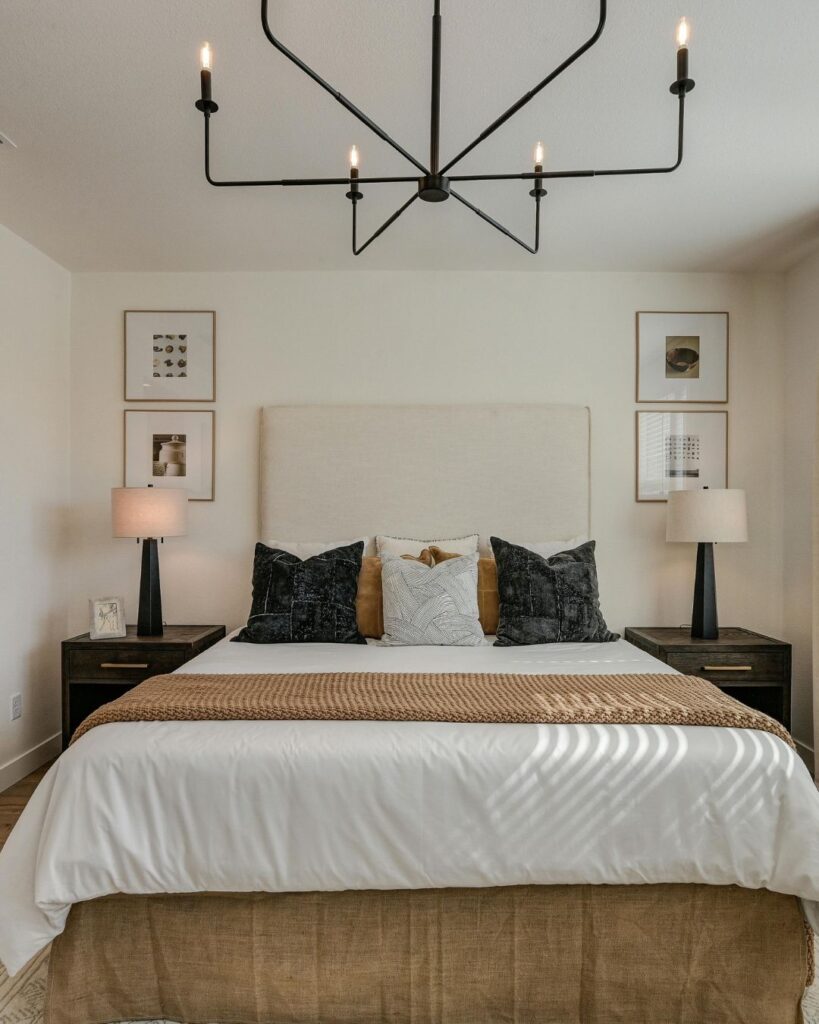
Decorate your bedroom with natural colors
To further promote relaxation and reduce stress with feng shui, use soft, earthy tones and natural fabrics in your bedroom decor. These elements have a soothing effect on the mind and body, creating a harmonious environment that is conducive to rest.
Opt for colors like beige, soft blues, and gentle greens, which are associated with nature and calmness. Natural fabrics, such as cotton, linen, and wool, not only feel luxurious but also contribute to a sense of warmth and comfort. Incorporating these materials and colors can transform your bedroom into a peaceful retreat that nurtures your well-being.
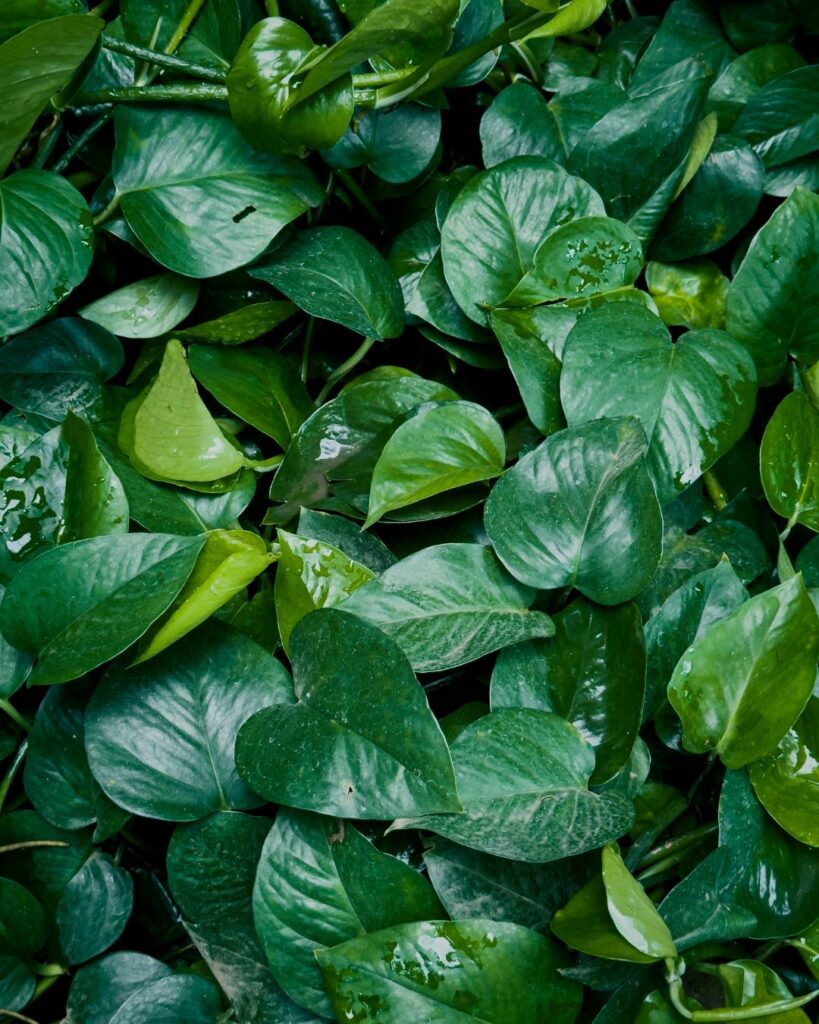
Add plants for positive energy flow
Avoid sharp-leaved plants as they can create negative chi and disrupt the serene atmosphere. Instead, opt for plants with soft, rounded leaves, such as peace lilies, snake plants, or pothos. These plants not only purify the air but also add a touch of greenery that can help you feel more connected to nature.
Take down the ceiling fan if you can
To ensure a good night’s sleep, be conscious of your bedroom’s ceiling, suggests Laura Cerrano, a New York feng shui consultant. A ceiling fan, beams, a skylight, an angled or slanted ceiling design could negatively affect your sleep and energy as they relate to Sha energy (which drains a person’s energy), Cerrano says here in My Domaine.
Choose art and decor that evoke peace and tranquility
Think water features and gentle landscapes. These elements can help you relax and unwind, making it easier to transition into a restful state. Avoid artwork that is too stimulating or has aggressive themes, as these can interfere with the peaceful energy of the room. Instead, select pieces that resonate with your personal sense of calm and beauty. This could be a serene watercolor painting, a gentle landscape photograph, or a soothing sculpture. By thoughtfully selecting your decor, you can create a bedroom that not only looks beautiful but also feels like a haven of peace and serenity.
No mirrors facing the bed
Some experts suggestg skipping mirrors altogether. Susan Chan, a certified feng shui consultant, suggests positioning a mirror so that it doesn’t directly reflect your bed. Mirrors can disrupt the good, calming energy of your bedroom if they reflect clutter or other chaotic elements of your space.
Feng shui bathroom
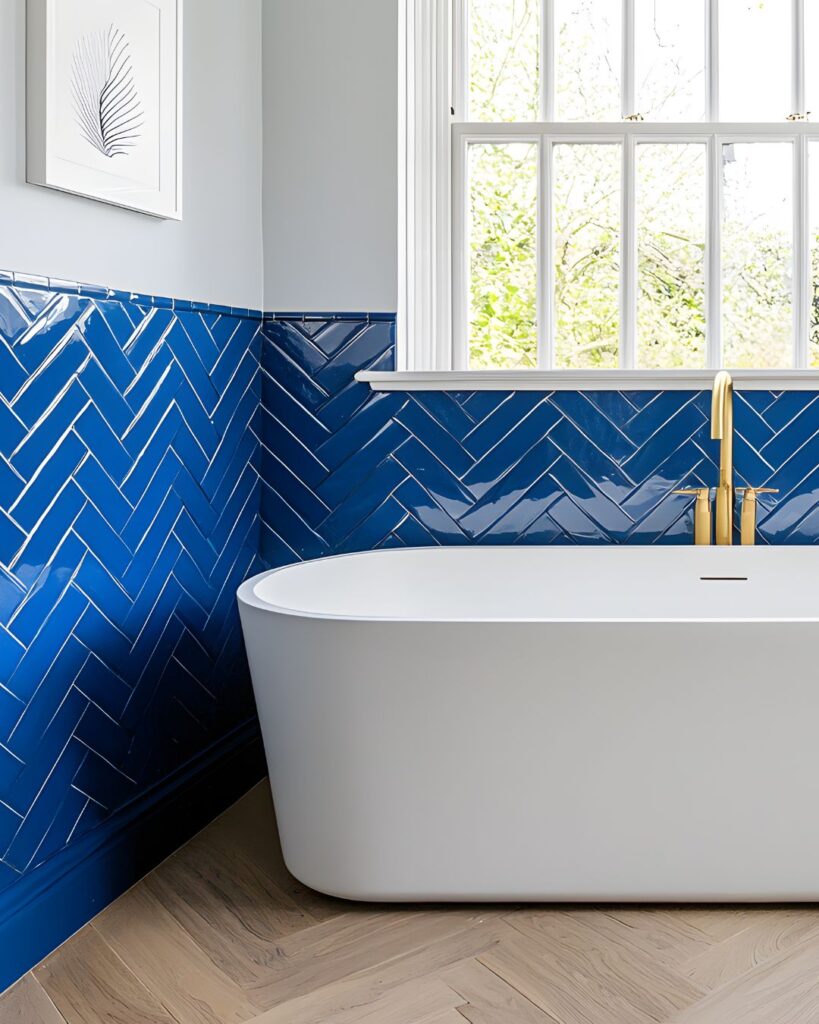
Often overlooked, the bathroom can also play a crucial role in your home’s energy. In feng shui and interior design, the bathroom is seen as a place where water, which symbolizes wealth, can easily flow out of the home. To prevent this, positioning mirrors correctly is essential. Place mirrors so that they reflect beautiful elements of the bathroom, such as a vase of fresh flowers or a decorative wall. Avoid mirrors that reflect the toilet or the door, as this can lead to a loss of positive energy. Mirrors should also be kept clean and free of fog to ensure clear and positive reflections.
When it comes to feng shui interior design, the choice of colors in the bathroom is crucial for promoting relaxation and wealth. Calming shades like blue and green are ideal, as they are associated with tranquility and prosperity. These colors can help create a serene environment that supports both mental and physical well-being. Consider using these colors in tiles, paint, or decorative elements to bring a sense of calm and abundance into the space.
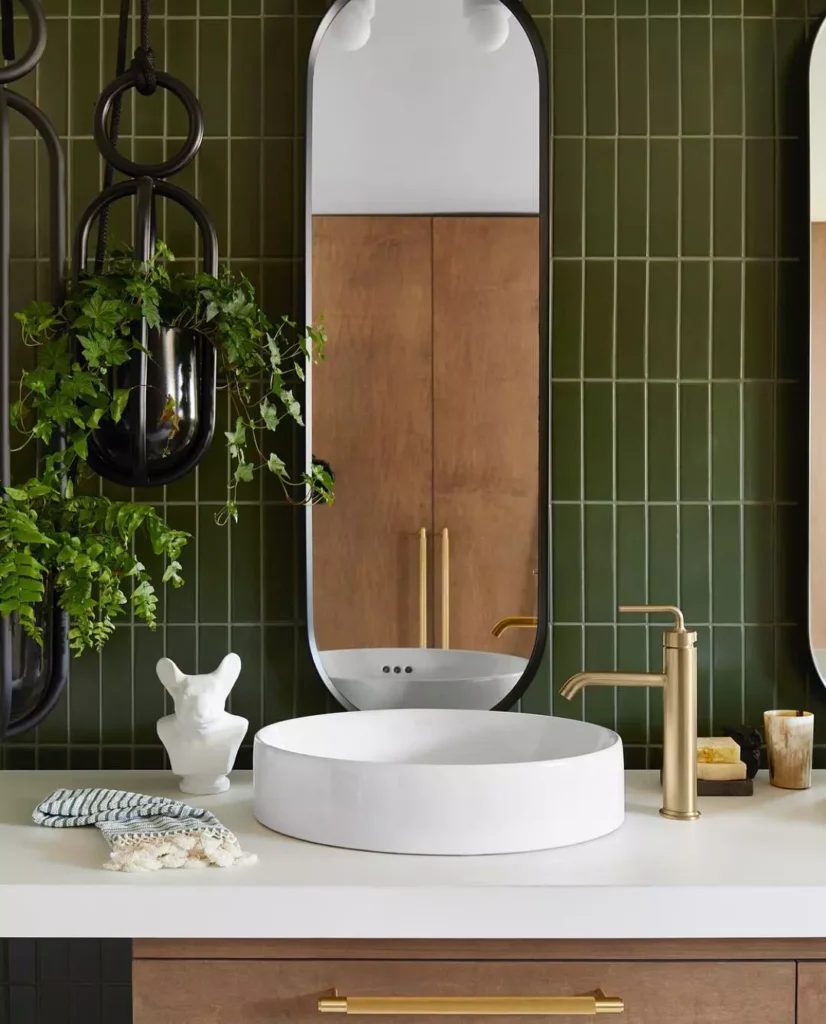
Keep your bathroom clean and well-lit
Clutter and dirt can block the flow of positive energy, so it’s important to keep the bathroom tidy and organized. Regular cleaning, especially of the toilet and sink, ensures that the space remains a sanctuary. Additionally, ensure that the bathroom is well-lit, either through natural sunlight or with bright, warm lighting. Light is a symbol of clarity and positivity, and a well-lit bathroom can help dispel negative energy and promote a sense of well-being.
Use a white or light-colored toilet 🙂
Who knew? A light-colored toilet can symbolize purity and abundance. White is a color of cleanliness and new beginnings, making it a perfect choice for the toilet, which is often associated with the release of waste and negative energy. A light-colored toilet can help maintain a sense of freshness and positivity in the bathroom, supporting the overall goal of creating a harmonious and abundant home environment.
Recommended reading from feng shui experts
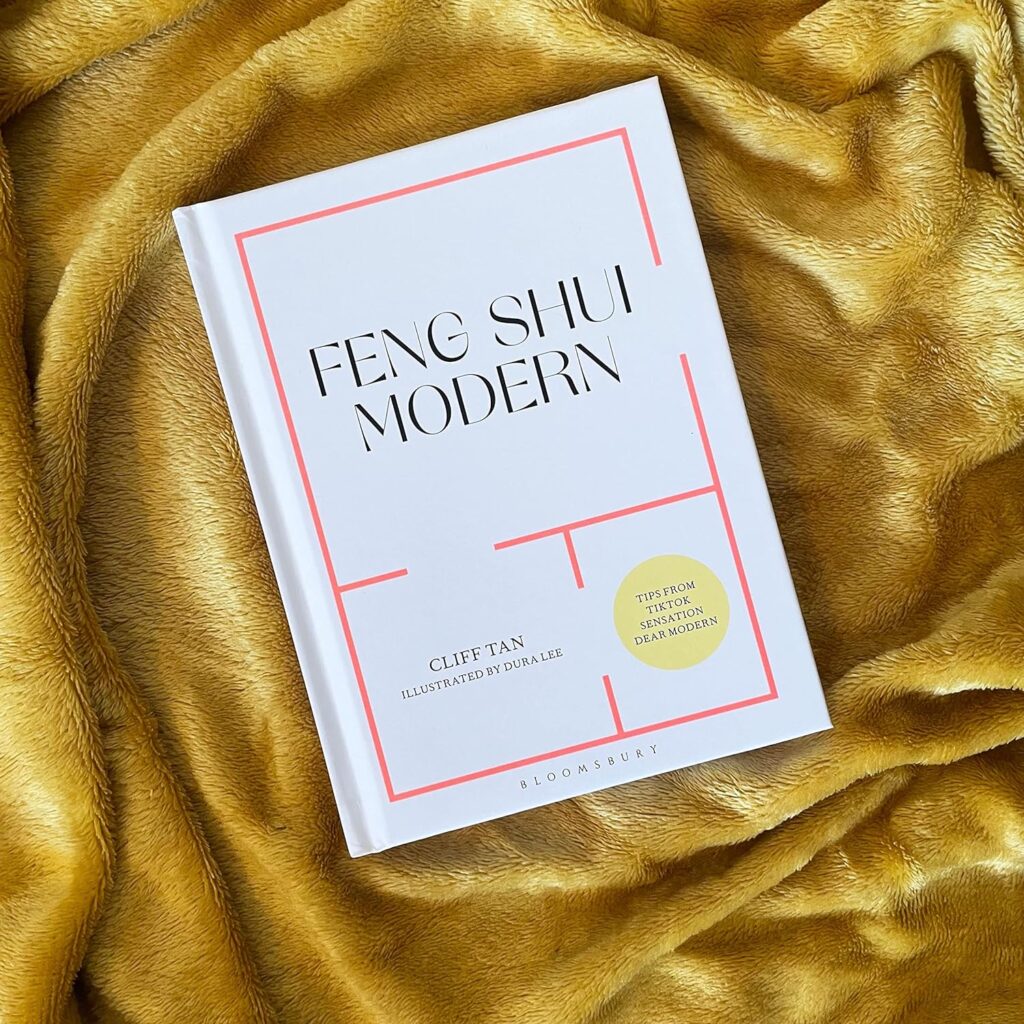
Feng Shui Modern, the bestselling book by Cliff Tan
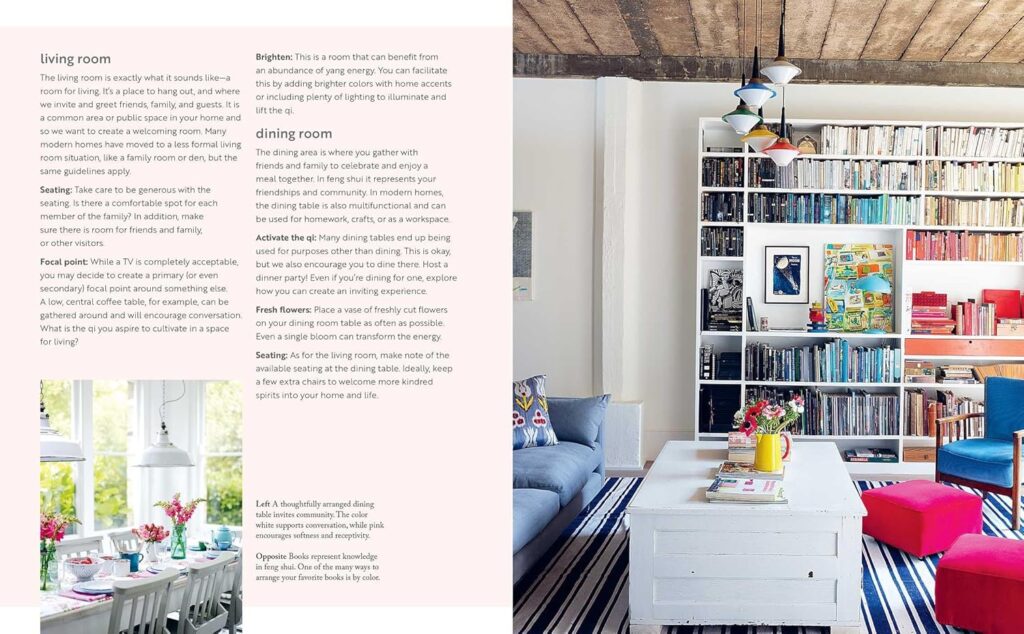
Mindful Living: A guide to the everyday magic of feng shui
By Anjie Cho and Laura Morris
Sign up for themidst.substack.com to receive our free newsletter about creating abundance in the midst of life.